Sunday, 11 October 2026 · Windhoek

Business Pulse 360°

Covering Business from Every Angle

Most Read

Opening the edition

Namibia’s business news & intelligence Vol. 1 | Issue 1 | October 2026

Business Pulse 360° Issue 1 / Oct 2026

To Advertise
With Us
Contact us on: 081 4275437

9 October 2026

Facebook Instagram Linkedin businesspulse360.com Vol.1 No:1
Insights / Analysis / Opportunities Covering Business from Every Angle

In this edition

  1. 2 Cover stories 2
  2. 3 Business News Corporate, government, trade, investment and employment news. 5
  3. 4 Sector Pulse Mining, oil and gas, energy, agriculture, tourism, property, transport, finance and technology. 5
  4. 5 Economy 360° GDP, inflation, interest rates, employment, trade and economic policy. 5
Business Pulse 360 Real business. A 360 degree view.

news@businesspulse360.com | Covering Business from Every Angle

Page 2

Cover stories

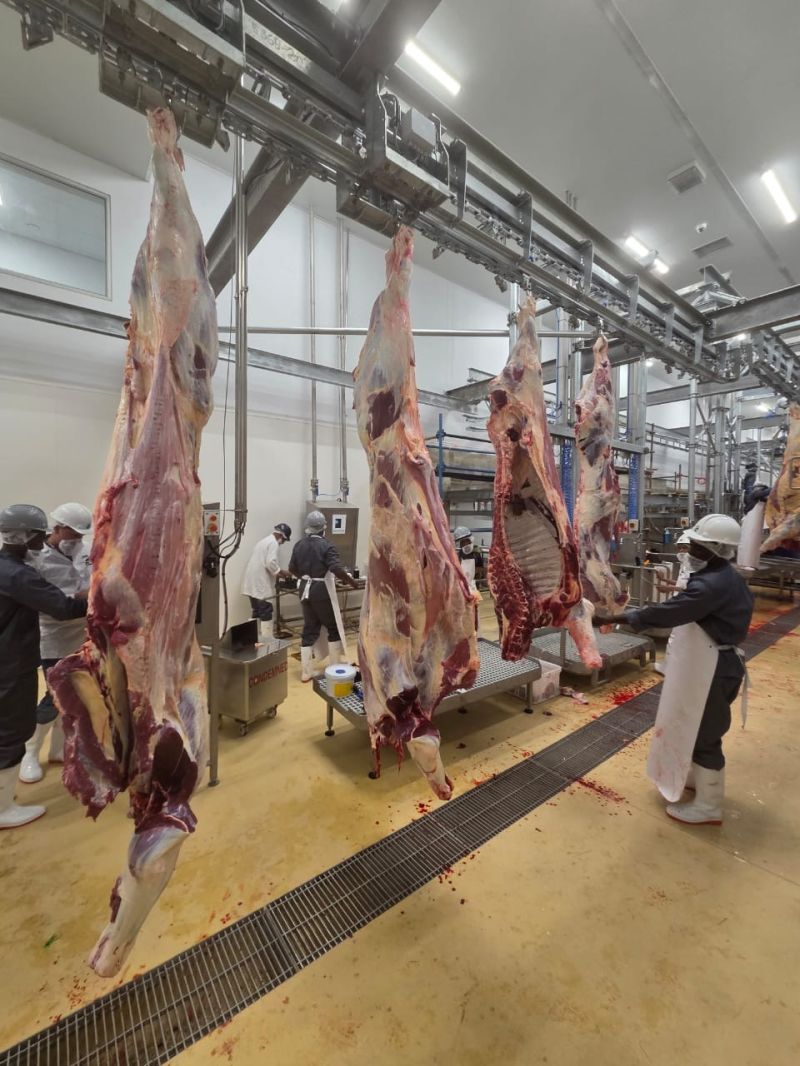
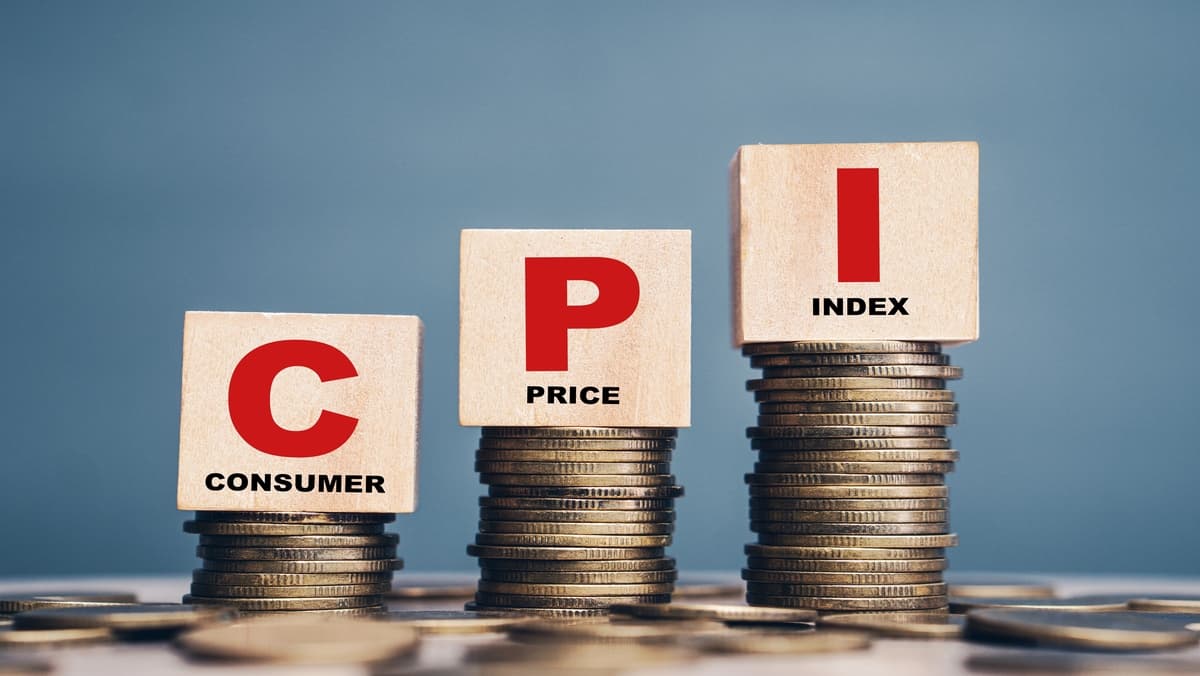
Namibia’s goods inflation reached 5.8% in September, while prices for key food commodities such as meat and fish recorded mixed movements. Contributed

Economic Analysis

Namibia’s Commodity Trade Faces Mixed Price Pressures as Goods Inflation Hits 5.8%

Higher prices for food, housing and household-related expenses increased the cost of everyday consumption in September, as goods inflation remained above the level recorded a year earlier.

By: Elizabeth Naftal

Namibia’s goods prices increased by 5.8% in September 2026, even as price growth for some of the country’s key food commodities slowed from a year earlier, creating a mixed picture for consumers and commodity traders.

According to the Namibia Statistics Agency’s (NSA) September 2026 Consumer Price Index, goods inflation accelerated from 3.3% recorded in September 2025, while food and non-alcoholic beverages recorded annual inflation of 4.0%.

Within the food basket, meat inflation slowed to 3.3% from 8.1% a year earlier. Beef prices increased by 2.6%, compared with 14.1% in September 2025, while mutton and lamb inflation eased to 4.8% from 12.6%. Fish inflation also slowed to 3.2% from 9.2%.

Despite the moderation in major food commodities, housing-related goods continued to record higher price pressures. The NSA recorded inflation of 4.2% for housing, water, electricity, gas and other fuels, up from 3.6% a year earlier. Electricity, gas and other fuels increased by 3.8%, compared with 3.0% in September 2025.

According to the NSA, the price movements come as Namibia continues to rely on commodity trade, with exports concentrated in natural resources and food products.

At the same time, the NSA’s August 2026 International Merchandise Trade Statistics showed that Namibia exported goods worth N$12.7 billion during the month, while imports reached N$16.6 billion, resulting in a N$3.9 billion trade deficit.

Food commodities, however, recorded a different outcome. Namibia registered a N$773 million food trade surplus in August, supported by N$1.3 billion in fish exports and N$434 million from meat and edible meat offal. Fish accounted for 62.4% of food exports, while meat contributed 20.3%.

Furthermore, the statistics reveal that on the import side, cereals accounted for 15.8% of food imports, followed by sugar at 11.9% and animal fodder at 9%, showing the continued role of international markets in supplying some commodities to Namibia.

The mixed price and trade trends highlight the pressure facing Namibia’s commodity market. While slower food price increases could ease some pressure on households, the country’s continued dependence on imported goods means international commodity movements can still feed into local prices.

At the same time, strong exports of fish, meat and other commodities remain important for generating foreign earnings and supporting the wider economy.

Read this story on the site ›

In brief

Business Pulse 360° Cover stories Page 2 of 5

Page 3

Business News

Corporate, government, trade, investment and employment news.

Namibia’s meat export industry faces temporary restrictions in the European market following the FMD outbreak. Contributed

Meat Exports

EU meat suspension puts Namibia’s export earnings at risk

By: Elizabeth Naftal

Namibia’s meat export earnings are at risk after the European Union (EU) temporarily suspended the importation of meat products from Namibian following the Foot-and-Mouth Disease (FMD) outbreak confirmed on 23 September at a commercial farm in the Karasburg State Veterinary District, //Kharas Region.

The EU on Monday temporarily restricted the entry of fresh meat from cattle, sheep and goats, as well as meat from other relevant farmed and wild hoofed animals and certain processed products such as biltong and jerky from Namibia’s FMD-free zone.

Speaking to Business Pulse 360°, Economist Nghiinomenwa Erastus said the suspension could have significant implications because Europe was the preferred destination for more than 90% of Namibia’s beef in 2025.

“Namibia is a net exporter of cattle and beef. Live exports and beef are reliant on regional and international markets, mostly the European market for beef and South Africa for live export,” Erastus said.

He said Namibia operates a dual livestock market, with live cattle exported on the hoof while local slaughtering supplies domestic and international markets. This system, he explained, supports value-chain development from communal farmers to commercial farmers.

According to the economist, replacing the European market would be difficult because Namibia has established trade relationships and access to a premium market.

“The EU market offers premium or their prices are very, very high to our farmers. So you cannot replace it,” he said.

Moreover, he noted that prolonged disruption could affect businesses beyond farmers and exporters, including transporters, fuel suppliers, mechanics, abattoirs and processors.

“The beef sector is really, really an anchor for the Namibian economy because it produces other sectors,” Erastus said.

According to a recent statement by the EU Delegation to Namibia, fresh meat certified by Namibian authorities before 23 September may still enter the EU within 90 days from that date, subject to border controls.

The precautionary restrictions do not affect Namibia’s preferential trade access under the EU-Southern African Development Community (SADC) Economic Partnership Agreement and could be reviewed if animal-health conditions improve after a 12 month period depending on new developments within the sector.

Read this story on the site ›

Agriculture & Oceans

Cabinet Tightens FMD Containment with Buffer Zone & Border Fences

By: Anton Wokie Mbinge

Cabinet has approved a Critical Containment Response Plan aimed at preventing the spread of foot-and-mouth disease (FMD) beyond the affected Karasburg Veterinary District, with government moving to strengthen animal movement controls and veterinary barriers along Namibia’s borders.

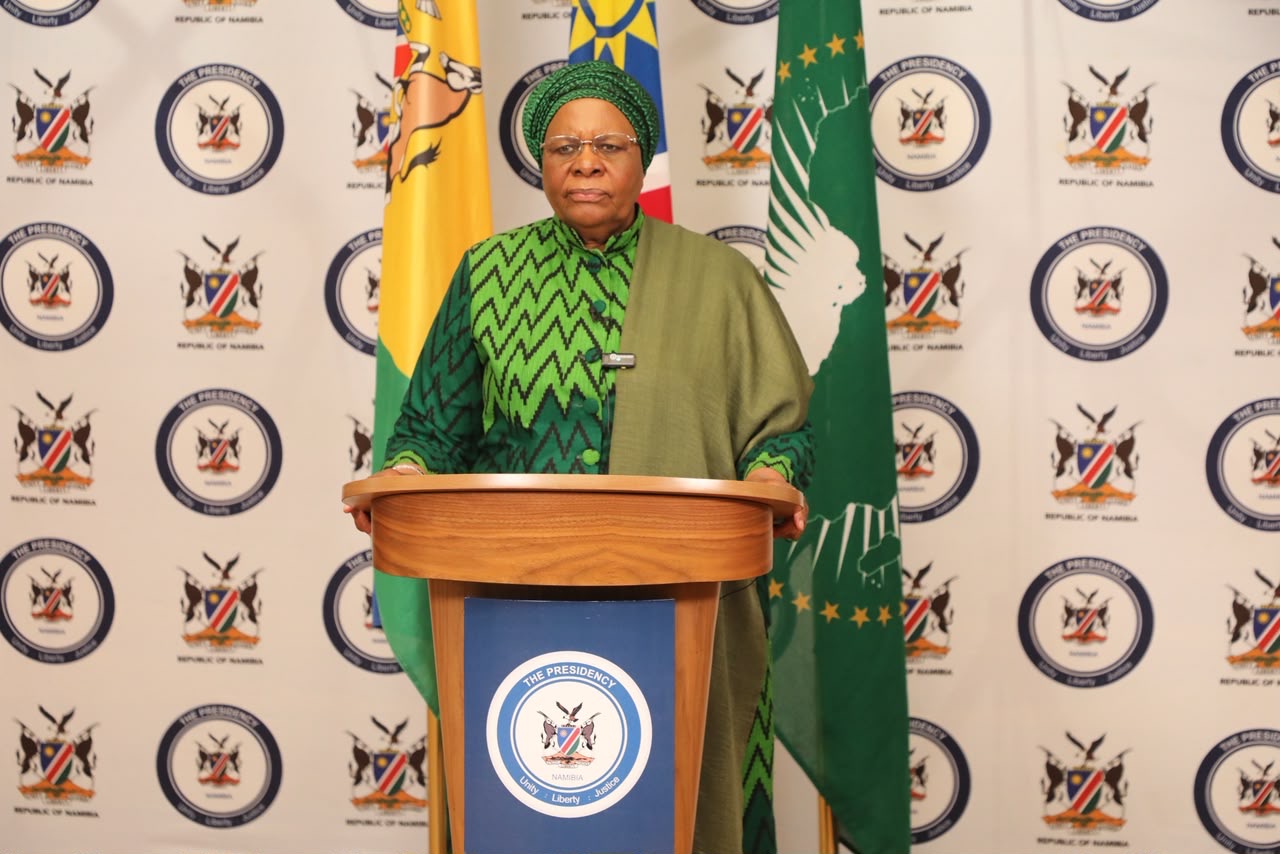
Pronouncing herself on the issue on Monday evening, President Netumbo Nandi-Ndaitwah said the containment measures include establishing a buffer zone in the KarasburgVeterinary District, repairing the Namibia-Botswana border fence and erecting veterinary cordon fencing in high-risk areas along the South African border.

The measures form part of the state`s immediate response following the confirmation of FMD in the //Kharas Region on 23 September.

“Cabinet has directed the immediate implementation of the relevant provisions of the Animal Health Act and the strengthening of disease-control and biosecurity measures,” Nandi-Ndaitwah said, stressing that responsible institutions must act with urgency and coordinate their efforts.

The Critical Containment Response Plan was approved by Cabinet on 4 October, and places the Karasburg Veterinary District at the centre of the containment operation.

According to the President, the plan provides for “establishing a containment buffer zone in the Karasburg Veterinary District to prevent the disease from spreading to unaffected regions.”

It further provides for repairs to the Namibia-Botswana border fence and the construction of veterinary cordon fencing in high-risk areas along the South African border.

The measures come as surveillance efforts have identified 127 confirmed positive cases across 15 farms. By 5 October, veterinary teams had inspected 29,313 animals across 68 farms, while 20 surveillance teams had been constituted and 10 roadblocks established across the //Kharas Region.

“Our immediate task is clear. We must contain the outbreak, prevent its spread and protect unaffected herds, so that normal production and trade can resume as quickly and safely as possible,” Nandi-Ndaitwah said.

The President acknowledged, however, that stronger containment comes with economic consequences for farmers, workers and businesses dependent on livestock movement and trade.

She said movement restrictions and trade disruptions are creating uncertainty for families concerned about their incomes and livelihoods.

Government is also assessing the financial pressure facing farmers and businesses servicing loans, with the aim of preventing the animal-health crisis from developing into prolonged financial distress.

Nandi-Ndaitwah also linked containment directly to the protection of Namibia’s meat industry and export reputation.

“The livestock and meat industry is one of the cornerstones of our economy,” she said, adding that its value chain supports everyone from farmers and farmworkers to transporters, processors and exporters. “Protecting that value chain is a national responsibility.”

Government is also engaging international trading partners, including the European Union, over meat consignments produced before the outbreak was confirmed. Similar engagements are underway with other trading partners to limit disruptions to trade.

The President called on livestock owners, traders, transporters and auctioneers to comply with movement controls and veterinary instructions, warning that collective discipline is essential to protecting unaffected herds.

The containment strategy therefore extends beyond fences and roadblocks. It depends on strict compliance across the livestock value chain, with Government seeking to stop the disease before it creates wider damage to Namibia’s livestock industry, livelihoods and export markets.

Nandi-Ndaitwah said the response requires “all hands ondeck”, with Government leading and coordinating while industry stakeholders play their part in containing the outbreak.

journalist2@businesspulse360.com

Read this story on the site ›

Banking & Finance

Namibia’s government debt rises to N$181.9 billion

Government debt reached N$181.9 billion at the end of June, pushing Namibia’s debt-to-GDP ratio to 65.1%, while the Bank of Namibia projects the ratio to average about 67% over the medium term.

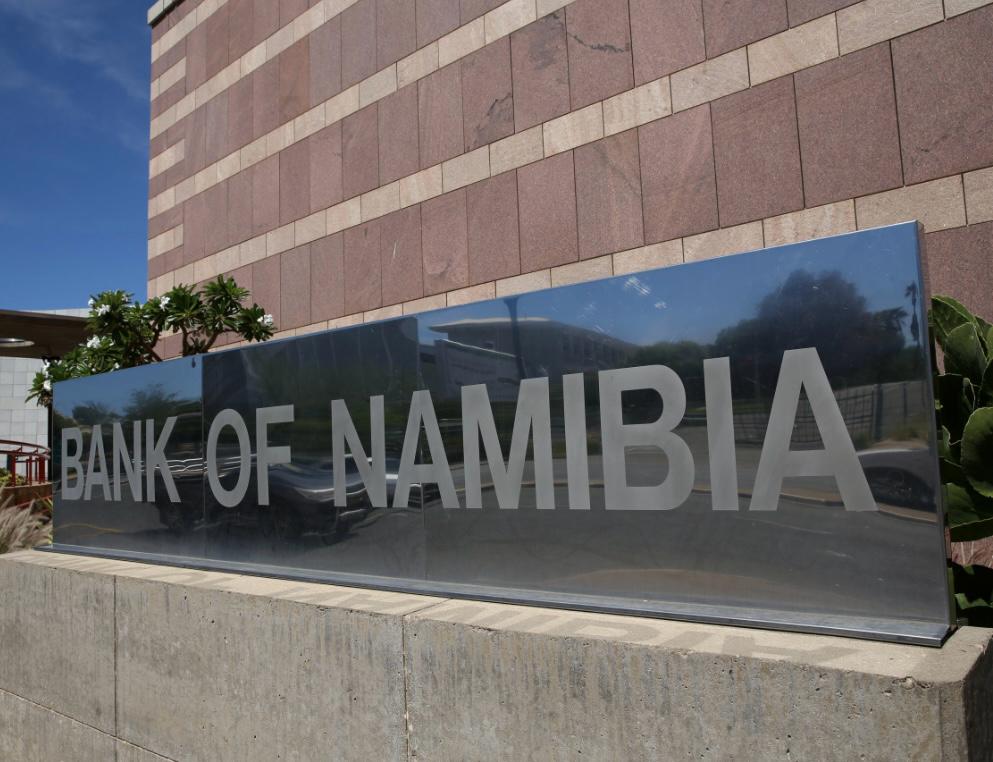
Government debt rose to N$181.9 billion at the end of June 2026. Bank of Namibia

By: Elizabeth Naftal

Namibia’s debt rose to N$181.9 billion at the end of June 2026, an increase of 6.1% compared to the same period last year, pushing the country’s debt-to-GDP ratio to 65.1%, according to the Bank of Namibia (BON)`s September 2026 Quarterly Bulletin.

The increase was mainly driven by higher holdings of Treasury Bills and Internal Registered Stock, while external debt declined as a result of loan repayments and exchange-rate movements. Compared with the first quarter of the year, government debt increased by 2.0%.

According to BON, the latest debt-to-GDP ratio is above the 60% SADC benchmark, with the Bank of Namibia projecting government debt to reach N$217.3 billion by the 2028/29 financial year and average about 67% of GDP over the Medium-Term Expenditure Framework period.

The bulletin noted that despite the increase in overall government debt, loan guarantees declined to 2.5% of GDP, remaining well below the government’s 10% ceiling. The budget deficit is also projected to narrow to 5.5% of GDP in the 2026/27 financial year, from 6.6%.

Namibia also completed the repayment of its N$3.9 billion International Monetary Fund COVID-19 loan on 15 April 2026, according to the central bank.

The debt figures come as the domestic economy recorded stronger growth during the second quarter, with real GDP expanding by 4.8% year-on-year, compared with 3.1% in the first quarter and 1.7% during the same period last year.

BON said the growth was mainly supported by tertiary industries, particularly health, wholesale and retail trade, information and communication, and financial services, while agriculture and fishing also recorded stronger activity during the quarter.

However, growth remained uneven across the economy, with mining output remaining negative and construction contracting sharply, while manufacturing benefited from a recovery in diamond cutting and polishing.

journalist@businesspulse360.com

Read this story on the site ›

Banking & Finance

Capricorn Takes Major Step into South Africa with R788.3 million Centrafin Deal

By: Anton Wokie Mbinge

Namibian financial-service provider, Capricorn Group is making a major move into South Africa by seeking to acquire an 81.6% controlling interest in Centrafin, a specialist equipment-rental and asset-financing business, for an agreed enterprise value of R788.3 million.

The proposed transaction, announced on 6 October 2026, forms part of Capricorn’s strategy to expand beyond its established markets of Namibia and Botswana and build a more diversified regional financial-services group.

In astatement issued by the Group, Capricorn said it has made a successful binding offer to acquire the majority interest in Centrafin from Fonzosys (Pty) Ltd, part of the Alviva Group of companies.

The R788.3 million enterprise value remains subject to the finalisation of Centrafin’s audited financial results.

The transaction will initially give Capricorn 81.6% ownership of Centrafin, while the group will have an option to acquire the remaining interest and potentially take its ownership to 100% over a five-year period.

According to Capricorn Group Chief Executive Officer, David Nuyoma, the proposed Centrafin acquisition marks an important step in Capricorn Group’s growth journey and its ambitions to expand its regional footprint.

“Our ambition is to continue building a stronger, more diversified and increasingly regional financial services Group, and the proposed acquisition of Centrafin represents a deliberate and meaningful step forward in that journey,” Nuyoma said.

Centrafin specialises in equipment rental and asset financing in South Africa. The company has evolved from a technology equipment rental business into a diversified asset-finance house, with Managing Director Jenny Gill saying the business has a R3 billion book spanning a broad range of asset classes.

Capricorn said Centrafin’s established market position, brand, experienced employees, entrepreneurial culture and customer relationships were among the qualities that attracted it to the business.

“We are particularly excited about Centrafin because we see a strong business with a respected brand, experienced and skilled people, entrepreneurial culture and valuable customer relationships,” Nuyoma said.

The Capricorn Group CEO added that the group sees an opportunity to combine the strengths of both businesses and create long-term value.

Centrafin’s brand is also expected to remain unchanged as the company becomes part of the broader Capricorn Group.

The transaction is part of Capricorn’s broader ambition to diversify its geographical footprint.

Capricorn currently has established operations in Namibia and Botswana, with a portfolio covering banking, asset management, unit trust management, microlending and complementary financial services.

journalist2@businesspulse360.com

Read this story on the site ›

Agriculture & Oceans

Zimbabwe Targets Namibia to Narrow N$697m Trade Deficit

Harare plans to boost agricultural and mineral exports to Windhoek in a bid to offset a N$697 million trade imbalance driven by Namibian fish and energy imports.

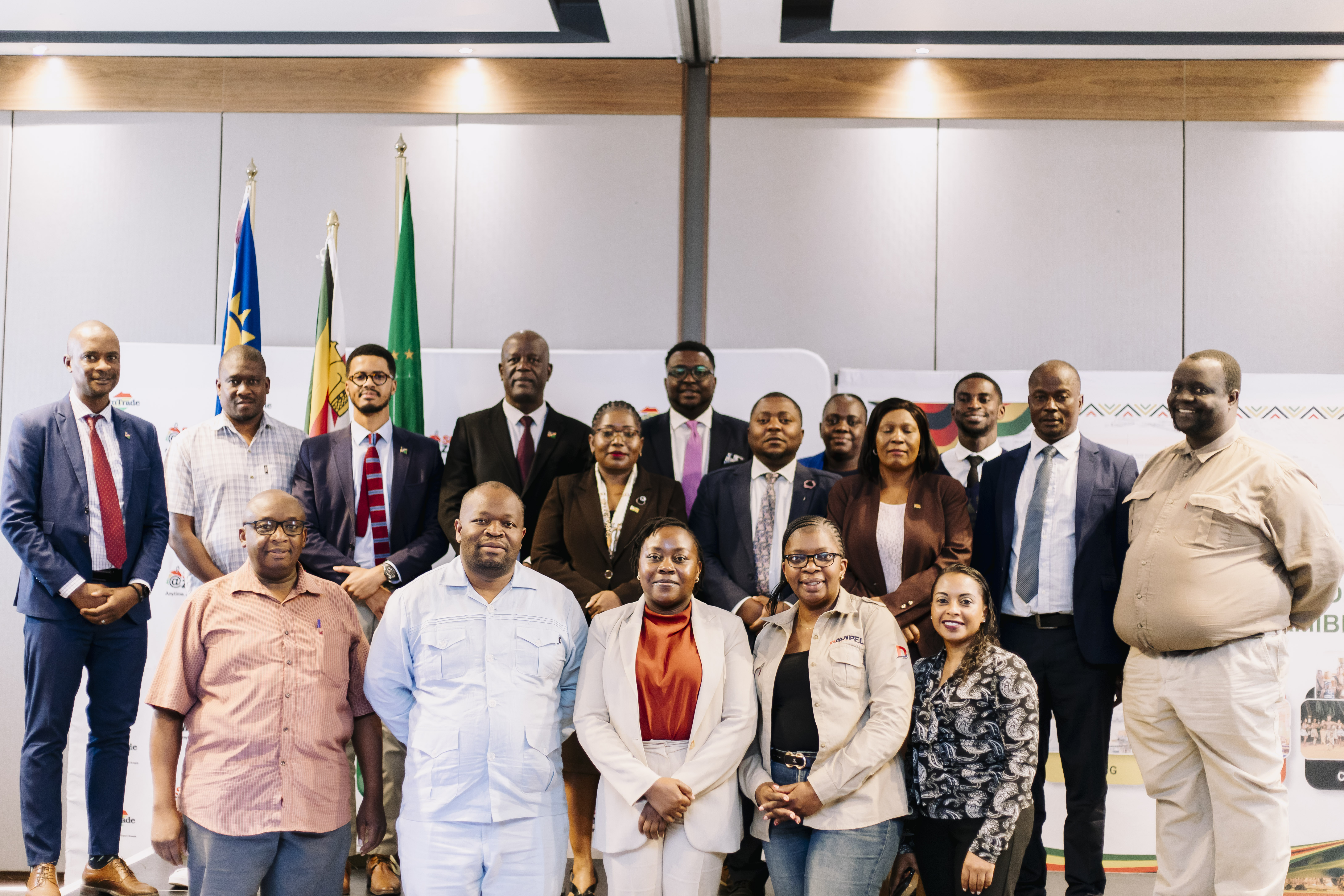
Delegates and business leaders gather during the Zimbabwean trade mission in Windhoek, aimed at boosting exports and strengthening bilateral commercial ties with Namibia.

Zimbabwe Targets Namibia to Narrow N$697m Trade Deficit

By: Johanna Festus

Zimbabwe is seeking to expand its exports to Namibia and narrow a about N$697 million (US$41 million) trade deficit recorded in 2025, as the two country moves to strengthen their commercial ties.

The trade imbalance was highlighted by ZimTrade Southern Region Manager, Jacqueline Nyathi during a Zimbabwean trade mission in Windhoek on Monday, where the agency outlined opportunities to increase Zimbabwean exports and establish stronger business partnerships with Namibian companies.

Trade data presented by ZimTrade shows that Zimbabwe exported only US$5.34 million (about N$90.8 million) worth of goods to Namibia in 2025, while imports from Namibia reached US$46.34 million (about N$787.8 million).

The resulting US$41 million (about N$697 million) deficit was largely driven by Namibian fisheries and energy products, according to ZimTrade.

The figures form the basis of Zimbabwe’s push to diversify and increase the range of products and services it supplies to Namibia, while creating stronger cross-border value chains between businesses in the two countries.

Nyathi said Zimbabwe is positioning its agricultural sector as one area with potential to expand exports to Namibia, highlighting its growing blueberry and avocado production, as well as opportunities for supplying certified seeds, fertilisers and agricultural implements.

ZimTrade also identified opportunities in mining, engineering, manufacturing, logistics and services, including education, skills development and training.

The organisation said stronger use of the Port of Walvis Bay could also improve Zimbabwe’s access to international markets, with the country viewing Namibia’s port and transport corridors as strategically important for regional and global trade.

The trade push comes as Zimbabwe recorded 42% growth in agricultural exports in 2025, while minerals and unmanufactured tobacco accounted for 79% and 14%, respectively, of the country’s total global exports.

ZimTrade said the objective is to translate these export capabilities into greater market penetration in Namibia through direct business-to-business linkages, joint ventures and industrial partnerships.

The two countries can also leverage regional frameworks, including the SADC Trade Protocol and African Continental Free Trade Area (AfCFTA), to facilitate market access and improve cross-border trade.

The Zimbabwean trade mission is seeking to move beyond diplomatic relations towards more concrete commercial partnerships that can increase Zimbabwean exports to Namibia and gradually address the existing trade imbalance.

journalist1@businesspulse360.com

Read this story on the site ›

Business Pulse 360° Business News Page 3 of 5

Page 4

Sector Pulse

Mining, oil and gas, energy, agriculture, tourism, property, transport, finance and technology.

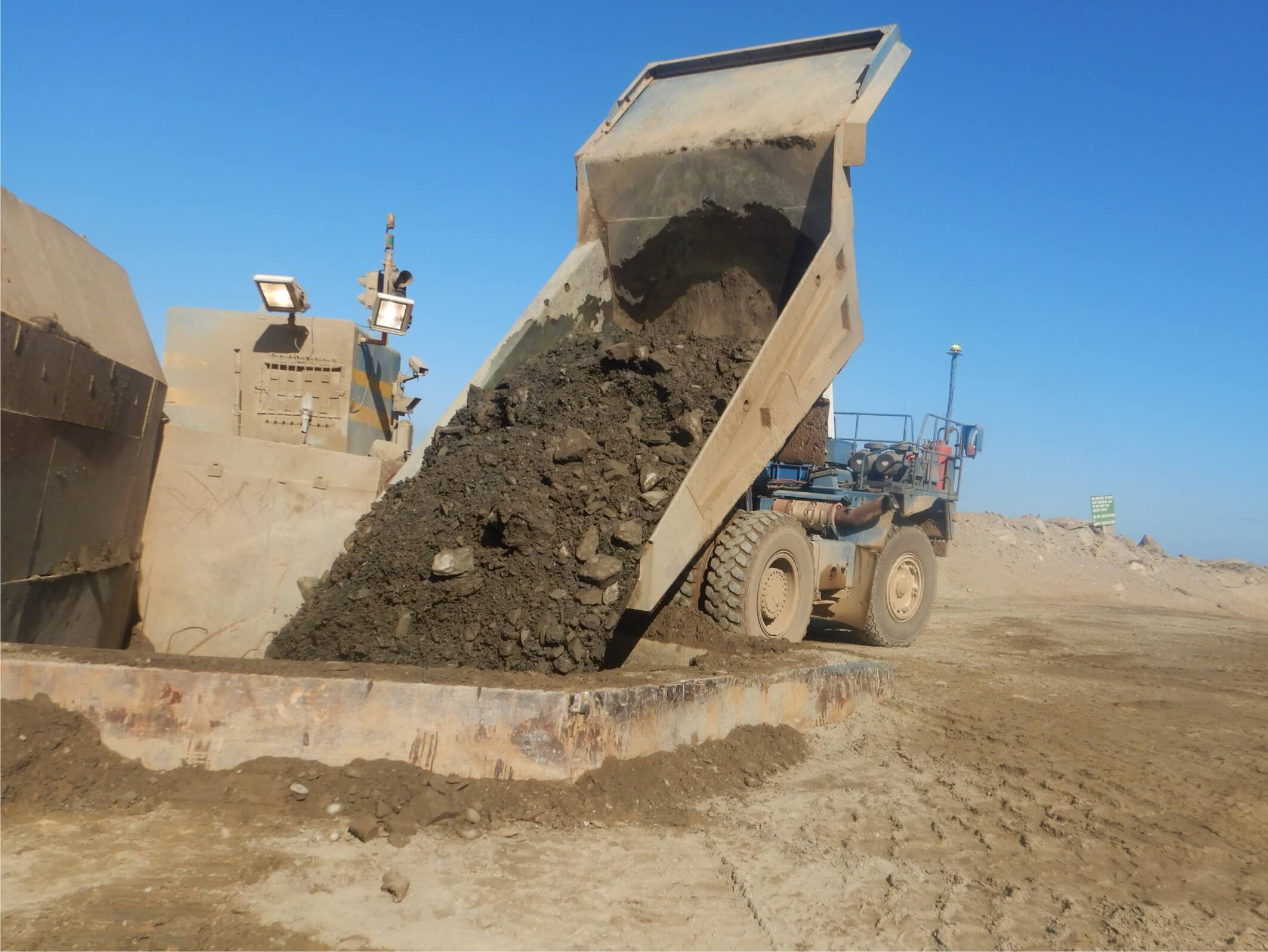
Mining production has come under pressure from lower output, while higher mineral prices have supported export earnings. Contributed

Mining & Minerals

Mining sector performance falls by 3.1% in Three Months

Lower uranium and metal ore production drives mining sector performance decline

By: Elizabeth Naftal

Namibia’s mining and quarrying sector fell by 3.1% between April and June 2026 compared with the same period last year, while the overall economy grew by 4.8%.

According to the Chamber of Mines of Namibia, the contraction was primarily driven by lower uranium and metal ore production which contracted by 12.1% and 20% respectively, making mining the largest negative contributor to economic growth during the second quarter.

Gold production has also declined as B2Gold’s Otjikoto mine has moved from open-pit to underground operations.

However, mining activity picked up in July. According to the Chamber, the Mining Composite Production Index rose by 7.7% from June and by 2.3% compared with July 2025, driven by a recovery in uranium and zinc output.

At the same time, mineral prices have remained high, with copper reaching a record monthly average of US$14,326 per tonne in August, while tin reached US$55,385 per tonne. Copper prices have risen by 48% from a year earlier, while tin has increased by 64%.

Furthermore, the Chamber reported that gold has also remained valuable at an average of US$4,411 per ounce, while uranium has traded at around US$86 per pound, helping to support export earnings despite weaker production in some areas.

The data also indicate that diamonds and uranium generated about N$3.9 billion in export earnings in July, with gold contributing N$1.91 billion, followed by diamonds at N$1.39 billion and uranium at N$625 million.

However, rising operating costs have continued to put pressure on mining companies, as inflation reached 5.0% in August and transport inflation increased to 13.2%. Diesel prices have also risen by about 42% between March and September, from N$19.63 to N$27.86 per litre.

Chamber of Mines Chief Executive Officer, Fabian Shaanika said 2026 remains a transition year for Namibia’s mining sector, while strong mineral prices have helped the industry manage weaker production and rising costs.

“While production volumes remain subdued, strong commodity prices are providing an important buffer, supporting export earnings and helping the industry navigate the current period of weaker output and increasing cost pressures,” he said.

The sector is expected to improve from 2027 as projects such as Rosh Pinah RP2.0, Langer Heinrich, Twin Hills, Etango and Tumas advance, alongside ongoing underground developments at Navachab and Otjikoto.

Read this story on the site ›

Agriculture & Oceans

Leaders Call for Maritime Action at Walvis Bay Week

Namibia’s ministers urge policy translation into practice to power the blue economy through infrastructure, youth skills, and regional development.

​By: Johanna Festus

Namibia must move beyond policy statements and translate regulatory frameworks into practical outcomes to power its blue economy.

​This was the central call made by the Minister of Works and Transport, Veikko Nekundi, during the official opening of the 4th Annual Walvis Bay Maritime Week on Thursday at the Walvis Bay Town Hall.

​Held under the theme "From Policy to Practice: Powering Maritime Excellence", the event convenes government officials, industry leaders, and youth to address key growth opportunities in the sector.

​Nekundi emphasized that closing the gap between national ambition and current capabilities requires three core pillars of action: investing in sustainable maritime infrastructure, enforcing environmental protection in marine waters, and equipping young Namibians with specialized skills.

​"Maritime excellence must not just be a slogan. It must be a measurable reality we achieve in our lifetime. Our youth must not be treated merely as observers of the Blue Economy. They must be prepared as its innovators, entrepreneurs, scientists, artisans, regulators, and leaders," Nekundi said.

​Speaking at the same event, Deputy Minister of Innovation, Dino Ballotti, highlighted the role of youth capacity building in sustaining the sector.

​"Since its launch, this initiative has engaged thousands of participants from across Namibia and has grown into one of the country's largest school debating and essay competitions, reaching more than 11,150 debaters since inception," Ballotti said.

​The debating competition features financial prizes directed toward regional educational needs, with Namport sponsoring N500,000 for first place, Terminal Investment Namibia providing N250,000 for second place, and Zephyr Investment contributing toward the N$100,000 third-place prize alongside Namport. Teams from Kavango East and Omusati competed for top honors, while Oshikoto and Ohangwena contested for third place.

​Ballotti also revealed that the Walvis Bay Maritime Week has been named one of the top three finalists in the Community Building category of the International Association of Ports and Harbors' (IAPH) 2026 Sustainability Awards, with final winners determined by expert assessment and public voting.

​Running throughout the week, the event features career engagements, an Edu-Corner, industry exhibitions, a Maritime Art Competition, a Seafood Cook-Off, and sports activities supported by key partners, including the Municipality of Walvis Bay, Namport, Debmarine Namibia, and the Namibia Fish Consumption Promotion Trust.

journalist1@businesspulse360.com

Read this story on the site ›

Agriculture & Oceans

Meatco Gets 90-Day EU Window for Beef Exports

Meatco says eligible beef shipments certified before Namibia’s 23 September FMD outbreak can continue entering the EU under a 90-day provision. Meatco

By: Elizabeth Naftal

The Meat Corporation of Namibia (Meatco) on Monday welcomed clarification from the European Union (EU) that fresh-meat shipments certified by Namibia’s competent authority before 23 September 2026 may continue entering the EU for 90 days from that date, subject to applicable EU legislation and decisions by relevant Border Control Posts.

The clarification follows the confirmation of FMD in the //Karasburg State Veterinary District in the //Kharas Region on 23 September.

According to Meatco, the eligible shipments may enter the EU subject to applicable EU legislation and decisions by the relevant Border Control Posts.

Meatco said the clarification provides an opportunity for beef produced and certified before the outbreak to reach its intended European markets.

According to the corporation this reduces the immediate commercial impact of the temporary animal-health measures on Meatco, producers and other participants across the livestock value chain.

Meatco Interim Chief Executive Officer, Albertus Aochamub said the clarification provides relief to Meatco and the wider livestock industry.

“The clarification by the European Union provides important relief to Meatco and the wider livestock industry,” Aochamub said.

He said eligible products certified before the outbreak can continue their journey to the European market, subject to veterinary and border-control requirements.

Meatco said it will continue complying with animal-health, veterinary certification, biosecurity and market-access requirements issued by Namibia’s Directorate of Veterinary Services and other competent authorities.

The corporation is also working with the Ministry of Agriculture, the Directorate of Veterinary Services, EU authorities and relevant industry stakeholders to ensure that qualifying shipments meet the applicable requirements.

The EU has indicated that the measures are precautionary and that it will continue assessing the epidemiological situation in cooperation with Namibia.

journalist@businesspulse360.com

Read this story on the site ›

Market & Sectors

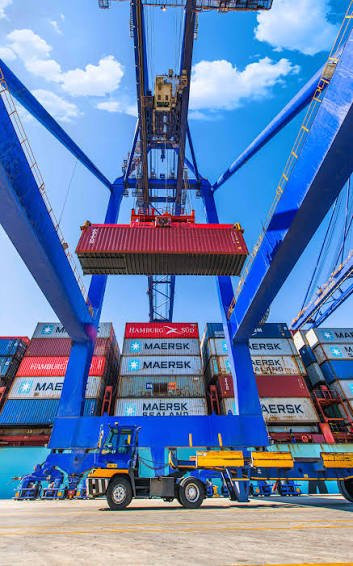
N$12.7 Billion Worth of Merchandise Flowed Through Walvis Bay in August

By: Anton Wokie Mbinge

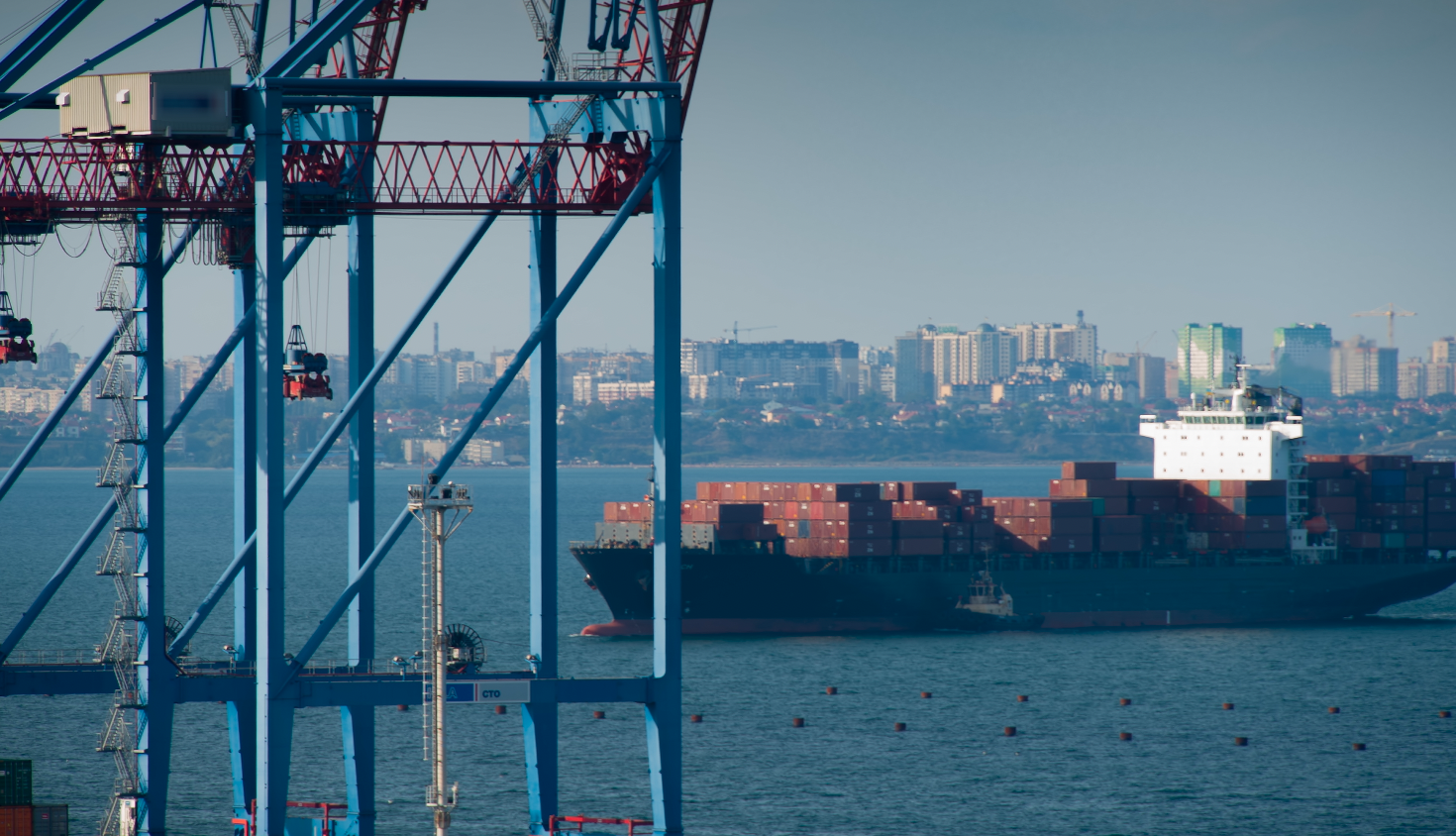
The port of Walvis Bay has handled N$12.7 billion worth of international merchandise trade in August 2026, underscoring the port’s growing importance as Namibia’s main gateway to global markets.

The Namibia Statistics Agency`s (NSA) latest International Merchandise Trade Statistics Bulletin reports that the coastal port accounted for N$6.1 billion in exports and N$6.6 billion in imports during the month, making it Namibia’s leading point of entry and exit for international merchandise trade.

The scale of activity puts Walvis Bay at the centre of Namibia’s trade economy, connecting local producers and importers with markets around the world.

According to the bulletin, nearly half of Namibia’s exports by value moved by sea in August, with maritime transport accounting for 49.3% of total exports. Export volumes transported by sea reached 267,234 tonnes, up 93.6% from August 2025 and 19.6% from July.

The goods moving through maritime routes included some of Namibia’s key export commodities, such as uranium, fish and nickel ores and concentrates, reflecting the port’s role in moving mining, fishing and other products to international markets.

The NSA further reports that Walvis Bay was equally significant on the import side, handling N$6.6 billion worth of goods in August. This was almost double the N$3.3 billion recorded through Ariamsvlei and nearly three times the N$2.3 billion recorded through the Trans-Kalahari border post.

Sea transport accounted for 41.7% of Namibia’s total import value, with petroleum oils, sulphur and unroasted iron pyrites, and mechanical handling equipment among the goods entering the country through maritime routes.

Import volumes transported by sea reached 323,201 tonnes, representing a 57.7% increase compared with August 2025.

The bulletin noted, the figures come as Namibia continues to expand its connections to international markets. In August alone, the country exported to 105 markets and imported from 162 markets, highlighting the importance of efficient trade infrastructure.

For businesses operating around Walvis Bay, the billions moving through the port also create opportunities beyond shipping itself. Transporters, freight forwarders, warehouses, customs agents, equipment suppliers, logistics technology companies and other service providers form part of the wider economic ecosystem supported by rising trade activity.

journalist2@businesspulse360.com

Read this story on the site ›

Market & Sectors

​N$498.6 Million Karibib-Usakos Road Upgrade Strengthens Namibia’s Trade Corridor

Namibia has officially commissioned the N$498.6M upgraded Karibib–Usakos road, boosting SADC trade links and regional safety.

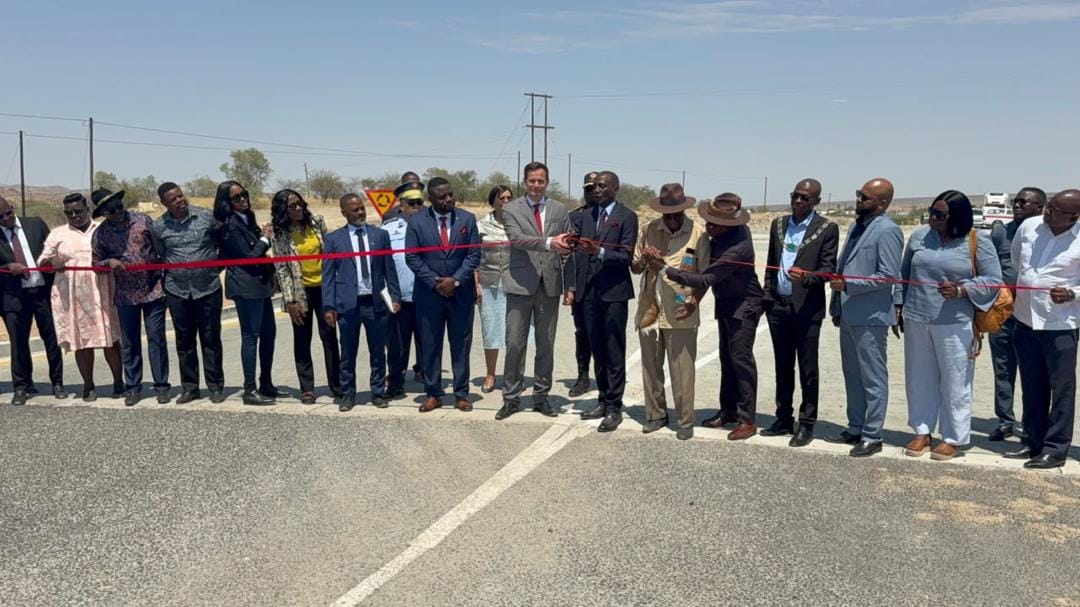
Officials officially open the N$498.6M upgraded Karibib–Usakos road in the Erongo Region. The German Corporation

​By: Johanna N Festus

Namibia’s regional trade ambitions have received a boost following the completion of a N$498.6 million upgrade of the 31.2-kilometre Trunk Road 7/1 between Karibib and Usakos, a key section of the transport network linking regional markets to the Port of Walvis Bay.

The road was officially opened on earlier this month by Works and Transport Minister,Veikko Nekundi, Erongo Governor, Nathalia /Goagoses and Germany’s Ambassador to Namibia, Thomas Wimmer.

The upgraded road has been expanded to a 2+1 carriageway, with dedicated overtaking lanes, widened shoulders and new surfacing designed to improve road safety and ease congestion along the busy route.

According to a Joint statement issued by the German Cooperation and Roads Authority, the road forms part of several logistics corridors connecting other Southern African Development Community (SADC) countries to the Port of Walvis Bay, making it important for the movement of goods and Namibia’s efforts to establish itself as a regional logistics hub.

Improved road infrastructure along these routes can support more efficient freight movement, strengthen links between regional markets and the coast, and improve access for businesses operating along the corridor.

The project was supported through Namibian-German Development Cooperation, with Germany’s Federal Ministry for Economic Cooperation and Development, through KfW Development Bank, providing an interest-reduced loan of N$372.6 million.

The loan forms part of a broader N$1.3 billion road rehabilitation programme supporting three infrastructure projects, including the Windhoek-Okahandja corridor, a section of the B1 between Keetmanshoop and Mariental, and the Karibib-Usakos road.

The joint statement further revealed that beyond the main road works, the contract included improvements to town infrastructure, with new parking bays in Karibib and a roundabout in Usakos. Construction is still under way on a bridge over the Kanone River to provide a connection to the hospital in Usakos.

The project has also created opportunities for local businesses and workers.

Zhongmei Engineering Group served as the main contractor, working alongside four Namibian partner companies: Tangeni OM Trading Enterprises CC, West Trading CC, INO Investment Holding (Pty) Ltd and Alughodi Engineering & Construction CC.

The local partners’ share of the contract is estimated at 25%, while additional small and medium-sized enterprises provided road-marking, cleaning and security services.

According to information shared by the partners, more than 500 people have been employed on the project to date, of whom 25% are women. Materials such as cement, steel, fuel, interlocks, aggregates and kerbing were also procured locally, supporting domestic suppliers.

journalist1@businesspulse360.com

Read this story on the site ›

Business Pulse 360° Sector Pulse Page 4 of 5

Page 5

Economy 360°

GDP, inflation, interest rates, employment, trade and economic policy.

Namibia imported N$4.79 billion from the United States in 2025, exceeding its N$3.85 billion in exports. Contributed

TRADE & INVESTMENT

Namibia Spent N$4.79 Billion on Imports from US in 2025

Trade between Namibia and the United States reached about N$8.6 billion in 2025, with Namibia’s exports rising strongly but remaining heavily concentrated in uranium.

By: Elizabeth Naftal

Namibia imported N$4.79 billion worth of goods from the United States in 2025, compared with N$3.85 billion in exports, leaving the country with a N$947.6 million trade deficit.

According to data from the Namibia Quarterly Economic Review for July–September 2026, Namibia’s exports to the United States increased from N$2.4 billion in 2024 to N$3.85 billion in 2025, moving the US from Namibia’s 8th-largest export destination to 6th.

The United States accounted for 4.3% of Namibia’s total goods exports of N$90.4 billion in 2025.

Uranium remained the dominant export to the US, rising from N$1.93 billion in 2024 to N$3.45 billion in 2025. Its share of Namibia’s total exports to the US market increased from 80.2% to 89.7%.

Additional exports included N$192.4 million in cement, N$72.7 million in other minerals, and N$41.6 million in fish.

According to the review, imports from the US consisted primarily of manufactured consumer and industrial goods, led by civil plant (N$589.4 million), chemicals (N$480.4 million), and rubber tyres (N$300.9 million).

The bilateral trade relationship also felt the impact of shifting US policies. Reciprocal tariffs introduced in April 2025 initially subjected Namibia to a 21% tariff, which was reduced to 15% in August before being ruled illegal by the US Supreme Court in February 2026.

The review further noted broader policy challenges affecting bilateral economic ties, including aid cuts, visa delays, and ongoing uncertainty surrounding the African Growth and Opportunity Act (AGOA).

Read this story on the site ›

Insights

52% of Namibians Cut Back on Non-Essential Spending as Living Costs Rise

By: Anton Wokie Mbinge

More than half of Namibian consumers have cut back on non-essential spending as rising living costs and borrowing expenses continue to put pressure on household finances.

The finding comes from the TransUnion`s second quarter of 2026 Consumer Pulse Study, which surveyed 258 adults in Namibia during April and May 2026 in partnership with research provider Dynata.

According to the study, 52% of respondents said they had reduced discretionary spending over the previous three months, including spending on items such as eating out, travel and entertainment.

The cutback in non-essential spending comes as households adopt more cautious financial habits, with some consumers also using the pressure to improve their financial position.

About 32% said they were paying down debt faster, while 24% had increased the amount they were putting into emergency savings, suggesting that some households are prioritising financial resilience over immediate consumption.

TransUnion Namibia Chief Executive Officer, Lara Enslin said consumers were becoming more deliberate about how they manage their finances amid uncertainty.

“Consumers are not simply reacting to higher living costs. They are actively adjusting spending habits, reducing debt and building financial safety nets that can help them navigate uncertainty and improve their long-term financial stability,” Enslin said.

However, the study shows that financial conditions remain mixed across households. While 43% of respondents said their financial situation was better than expected at this point in 2026, 45% said it was worse than anticipated.

Income trends were similarly divided. Twenty-eight percent reported an increase in income over the previous three months, while 39% said their income had remained unchanged and 33% reported a decline.

The study revealed that, despite these pressures, consumers remain relatively optimistic about the year ahead. Seventy-three percent expect their income to increase over the next 12 months, while 71% are optimistic about their household finances.

According to the study, credit access, however, remains a concern. Although 89% of respondents said access to credit and lending products is important to achieving their financial goals, only 36% felt they had sufficient access to credit, compared with 46% who said they did not.

Younger consumers are also showing caution around borrowing. The study found that 46% of Millennials planned to apply for new credit or refinance existing credit within the next year, compared with 30% of Gen Z respondents. The proportion of Gen Z consumers planning to seek new or refinanced credit was also 15 percentage points lower than a year earlier.

Meanwhile, digital fraud is adding another layer of financial risk. Sixty-five percent of respondents said they had been targeted by fraud through email, online platforms, phone calls or text messages during the previous three months, while 10% said they had fallen victim.

journalist2@businesspulse360.com

Read this story on the site ›

Agriculture & Oceans

N$1.42 Million Paid to Windhoek Residents for Recyclables

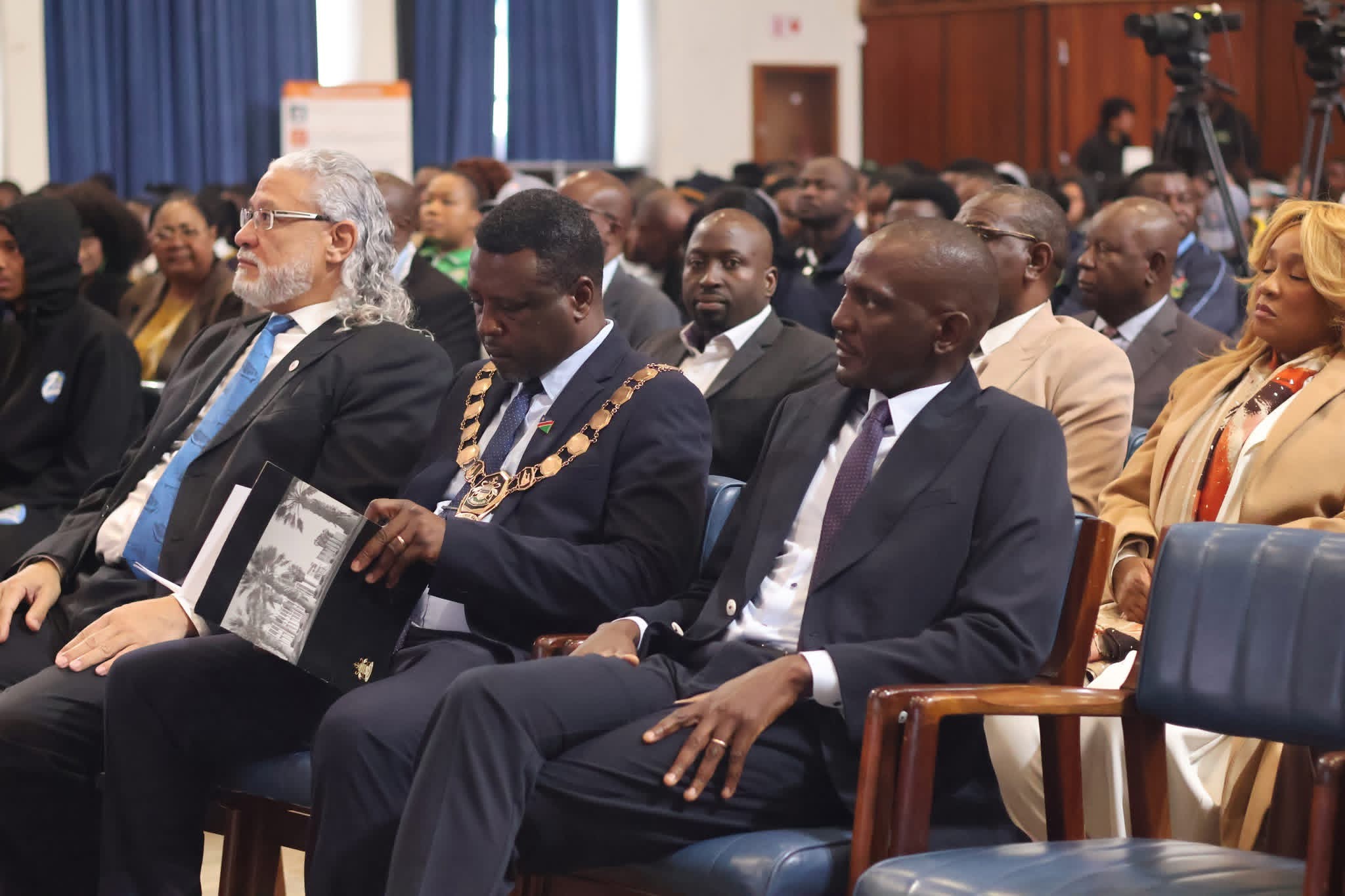
Mr. Sam Nujoma, Governor of Khomas Region Businesspulse360°

By: Johanna Festus

​The Katutura Waste Buy-Back Centre has paid out N$1.42 million to residents for recyclable materials, highlighting the income-generating potential of recycling while diverting waste from Windhoek’s landfill.

​The figure was revealed by Namibia ReThink Waste GreenCycle Expo co-founder Maria Shimhanda, who said the payments demonstrate how recyclable materials can provide an income stream for residents while contributing to improved waste management.

​The Katutura Waste Buy-Back Centre is Windhoek's premier community recycling hub which enables residents to swap recyclable materials for immediate income. This project was initiated by the City of Windhoek in partnership with the European Union and the City of Bremen to reduce landfill volumes while stimulating local micro-economies.

​Speaking at the launch of the Khomas Sustainability, Green Growth and Circular Economy Roadmap in Windhoek, Shimhanda said the initiative seeks to change perceptions around waste by encouraging communities to view recyclable materials not simply as waste destined for disposal, but as resources with economic value.

​Khomas Governor, Sam Nujoma said the region’s current economic model requires urgent reform, pointing to youth unemployment estimated at between 40% and 59% across constituencies, while less than 10% of waste generated is recycled.

He said the remaining waste is either buried at the Kupferberg landfill or shipped across borders as low-value raw materials, describing this as an economic loss that denies thousands of young people potential employment opportunities.

​“Waste, if properly understood, is a resource to be captured, processed and converted into value within our own borders by our own people,” Nujoma said.

​According to Nujoma, since September 2024, the Katutura Waste Buy-Back Centre has diverted more than 166 tonnes of material from the landfill through more than 9,000 drop-offs, putting nearly N$1.5 million directly into the hands of local residents.

journalist1@businesspulse360.com

Read this story on the site ›

Energy

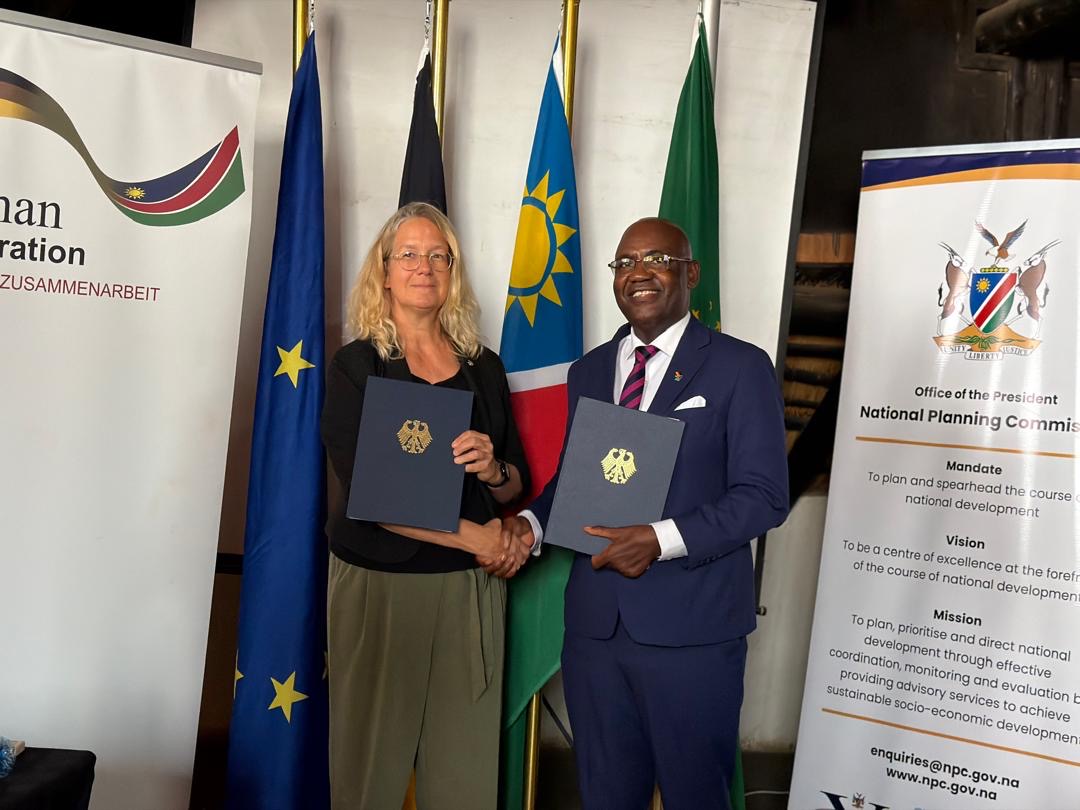
Green Growth, Skills and Jobs: Namibia and Germany Reset Partnership

By: Anton Wylie Mbinge

Namibia and Germany are repositioning their longstanding development partnership, placing greater emphasis on green growth, climate resilience, skills development, investment and employment.

The new direction emerged from the Namibia-Germany Strategic Dialogue held in Opuwo on 29 and 30 September 2026, where the two governments reaffirmed their commitment to cooperation while narrowing the partnership around areas seen as critical to Namibia’s future economic development.

According to a joint statement issued on Friday, more than €1.6 billion, equivalent to about N$30 billion has been provided in official development assistance since 1990.

Germany describes Namibia as the largest recipient of its development cooperation in Africa on a per-capita basis.

Over the years, the partnership has supported sectors including renewable energy, sustainable urban development, biodiversity, water, technical and vocational education and training (TVET), and private and financial-sector development.

The latest strategic dialogue, however, places these areas under two broader priorities: climate-resilient water security, biodiversity and livelihoods, and a just green energy and skills transformation.

The statement highlight that Namiba is seeking to build new industries around renewable energy and green industrialisation while addressing persistent challenges such as unemployment, skills shortages, water insecurity and vulnerability to climate change.

The joint release says the cooperation is intended to support green industrialisation, increase trade and investment between Namibia and Germany, create employment and protect livelihoods and the environment.

journalist2@businesspulse360.com

Read this story on the site ›

Mining & Minerals

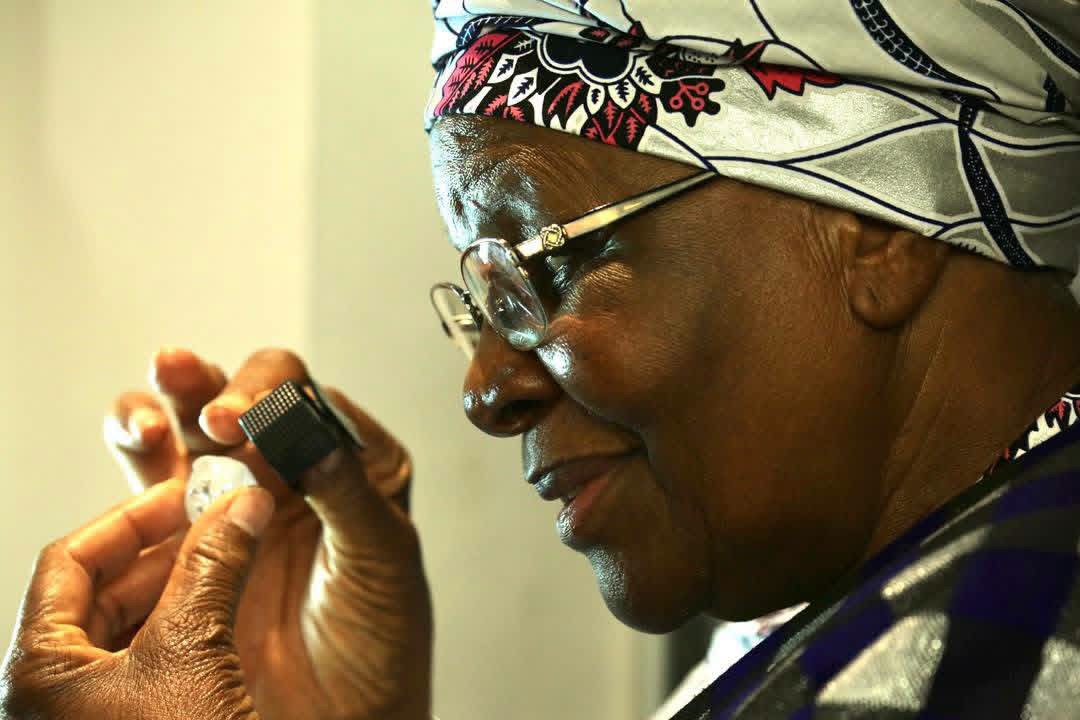
Namdeb Unveils 176-Carat Diamond, Largest Discovery in Two Decades

Namdeb has unveiled the largest diamond it has discovered in two decades, marking a significant milestone for Namibia’s diamond industry.

By: Johanna N. Festus

Namdeb has unveiled the largest diamond it has discovered in two decades, marking a significant milestone for Namibia’s diamond industry.

The rare 176.29-carat natural diamond, discovered in May this year, has been named “Owishi”, a reference to subterranean wild honey in local tradition.

The gem was officially unveiled in Windhoek this week by President Netumbo Nandi-Ndaitwah.

Speaking at the unveiling ceremony, President Nandi-Ndaitwah said Namibia must emphasise the “rarity, authenticity, quality, and responsible provenance” of its diamonds while ensuring that the wealth generated from the country’s mineral resources translates into tangible and shared prosperity for Namibians.

Namibia has a long-established diamond mining industry, with diamonds forming an important part of the country’s mineral economy. The sector is dominated by Namdeb, a 50:50 joint venture between the Government of Namibia and De Beers, and has historically been centred on diamond mining along Namibia’s southern Atlantic coast.

Over the years, the country has developed a reputation for producing high-quality diamonds, particularly from its marine and coastal deposits. As land-based resources have matured, offshore diamond mining has become increasingly important to Namibia’s production, with specialised vessels recovering diamonds from the seabed.

The discovery of Owishi comes against this evolving backdrop, highlighting the continued potential of Namibia’s diamond resources and the value of technological innovation in accessing them.

At 176.29 carats, Owishi stands out not only for its size but also for its rarity, adding a high-profile discovery to Namibia’s diamond heritage and reinforcing the importance of the sector to the country’s mining industry.

journalist1@businesspulse360.com

Read this story on the site ›

Business Pulse 360° Economy 360° Page 5 of 5

Download this edition as a PDF Every page, laid out to print.