Development Finance
Namibia and Germany Sign NAD 103m Energy and Raw Materials Deal
A new NAD 103m agreement with Germany will expand Namibia's power grid to 70% by 2030 and establish local value addition for critical raw materials.
By Johanna N Festus
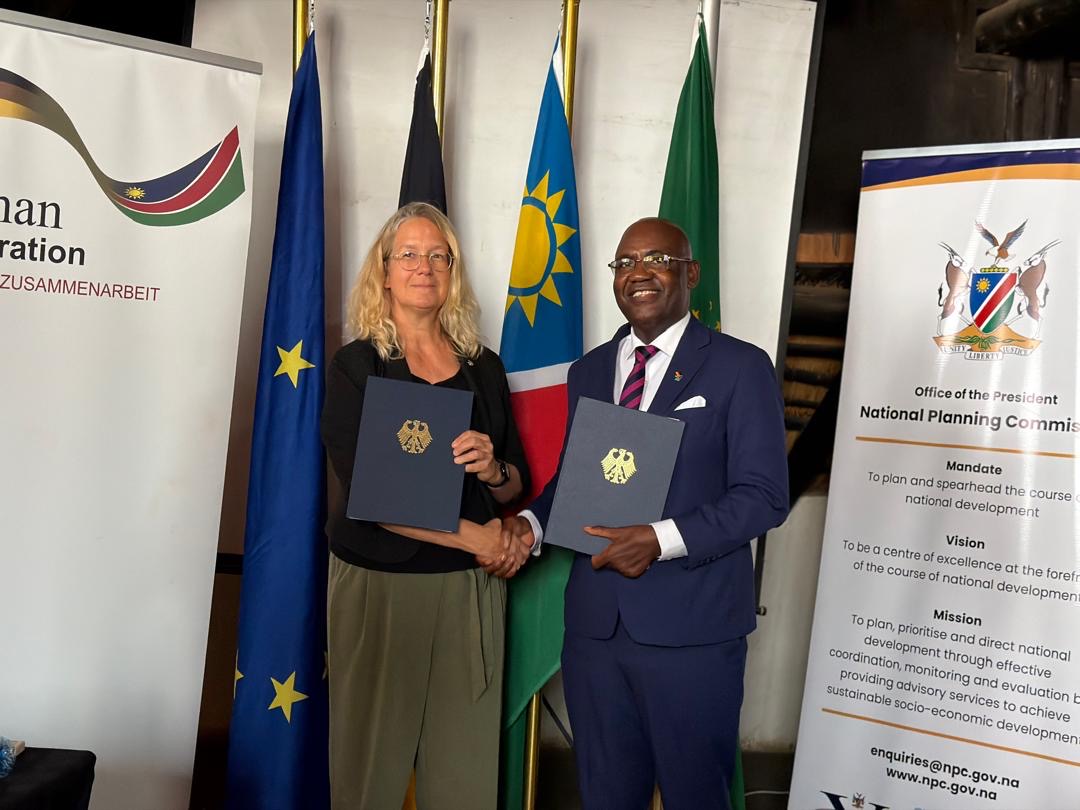
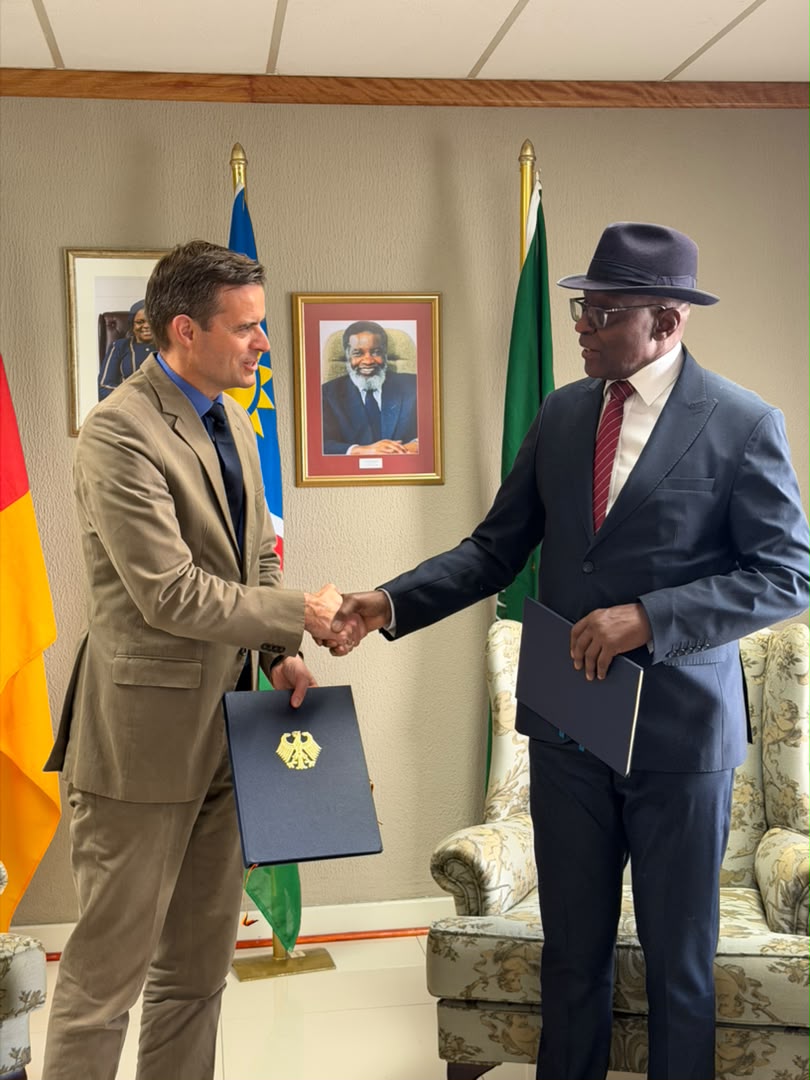
Namibia and Germany have signed a Technical Cooperation Agreement valued at EUR 5.5 million (approximately NAD 103 million) to accelerate Namibia's energy transition and strengthen its green industrialization. The bilateral agreement was formalized on 9 October 2026 in Windhoek during an introductory meeting between the newly accredited German Ambassador, H.E. Thomas Wimmer, and the Director General of the National Planning Commission (NPC), Ambassador Dr. Kaire Mbuende.
The agreement funds two targeted initiatives resulting from bilateral negotiations held in Lüderitz in 2025. The first initiative directly targets domestic energy poverty by expanding modern, sustainable energy access, supporting the national objective to increase energy coverage from 59.3% to 70% by 2030. The second project establishes sustainable, transparent value chains for critical raw materials to ensure local value addition from global green supply chains.
From an economic perspective, this capital injection serves a dual purpose: expanding primary infrastructure and capturing high-value segments of the global energy supply chain. By prioritizing local processing and critical raw material development, the agreement addresses long-standing economic leakages where raw commodities are exported without onshore processing. Increased local energy availability creates direct operational efficiencies for domestic industry, while expanding the electricity grid boosts rural productivity, broadens the tax base, and mitigates foreign exchange exposure tied to imported power.
"The projects will support Namibia's efforts to expand access to modern and sustainable energy services and to develop responsible and sustainable value chains for critical raw materials, contributing to the country's energy transition and green industrialization objectives," according to a joint media release issued by the German Embassy and the National Planning Commission.
The new funds build on a broader commitment from Germany, whose total development cooperation portfolio in Namibia exceeds EUR 1.6 billion (approximately NAD 30 billion) since 1990. Existing energy sector funding has already supported the rehabilitation of the Ruacana Hydropower Plant and financed the construction or upgrade of roughly 1,300 km of transmission lines. By securing capital for critical minerals and grid expansion, Namibia positions itself to capture higher profit margins across energy and mining value chains, converting international climate commitments into long-term domestic economic capacity.