Home Market & Sectors Agriculture & Oceans
Meat Exports
EU meat suspension puts Namibia’s export earnings at risk
By: Elizabeth Naftal
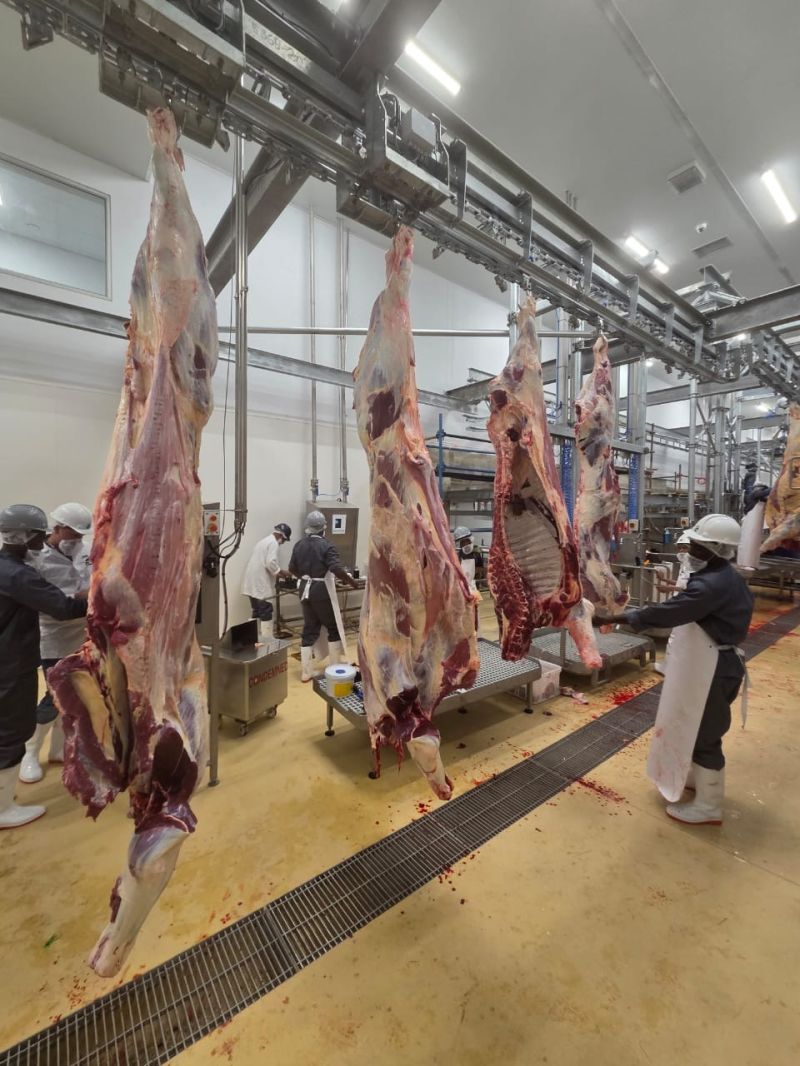
Namibia’s meat export earnings are at risk after the European Union (EU) temporarily suspended the importation of meat products from Namibian following the Foot-and-Mouth Disease (FMD) outbreak confirmed on 23 September at a commercial farm in the Karasburg State Veterinary District, //Kharas Region.
The EU on Monday temporarily restricted the entry of fresh meat from cattle, sheep and goats, as well as meat from other relevant farmed and wild hoofed animals and certain processed products such as biltong and jerky from Namibia’s FMD-free zone.
Speaking to Business Pulse 360°, Economist Nghiinomenwa Erastus said the suspension could have significant implications because Europe was the preferred destination for more than 90% of Namibia’s beef in 2025.
“Namibia is a net exporter of cattle and beef. Live exports and beef are reliant on regional and international markets, mostly the European market for beef and South Africa for live export,” Erastus said.
He said Namibia operates a dual livestock market, with live cattle exported on the hoof while local slaughtering supplies domestic and international markets. This system, he explained, supports value-chain development from communal farmers to commercial farmers.
According to the economist, replacing the European market would be difficult because Namibia has established trade relationships and access to a premium market.
“The EU market offers premium or their prices are very, very high to our farmers. So you cannot replace it,” he said.
Moreover, he noted that prolonged disruption could affect businesses beyond farmers and exporters, including transporters, fuel suppliers, mechanics, abattoirs and processors.
“The beef sector is really, really an anchor for the Namibian economy because it produces other sectors,” Erastus said.
According to a recent statement by the EU Delegation to Namibia, fresh meat certified by Namibian authorities before 23 September may still enter the EU within 90 days from that date, subject to border controls.
The precautionary restrictions do not affect Namibia’s preferential trade access under the EU-Southern African Development Community (SADC) Economic Partnership Agreement and could be reviewed if animal-health conditions improve after a 12 month period depending on new developments within the sector.