Home Market & Sectors Agriculture & Oceans
Cabinet Tightens FMD Containment with Buffer Zone & Border Fences
By: Anton Wokie Mbinge
Cabinet has approved a Critical Containment Response Plan aimed at preventing the spread of foot-and-mouth disease (FMD) beyond the affected Karasburg Veterinary District, with government moving to strengthen animal movement controls and veterinary barriers along Namibia’s borders.
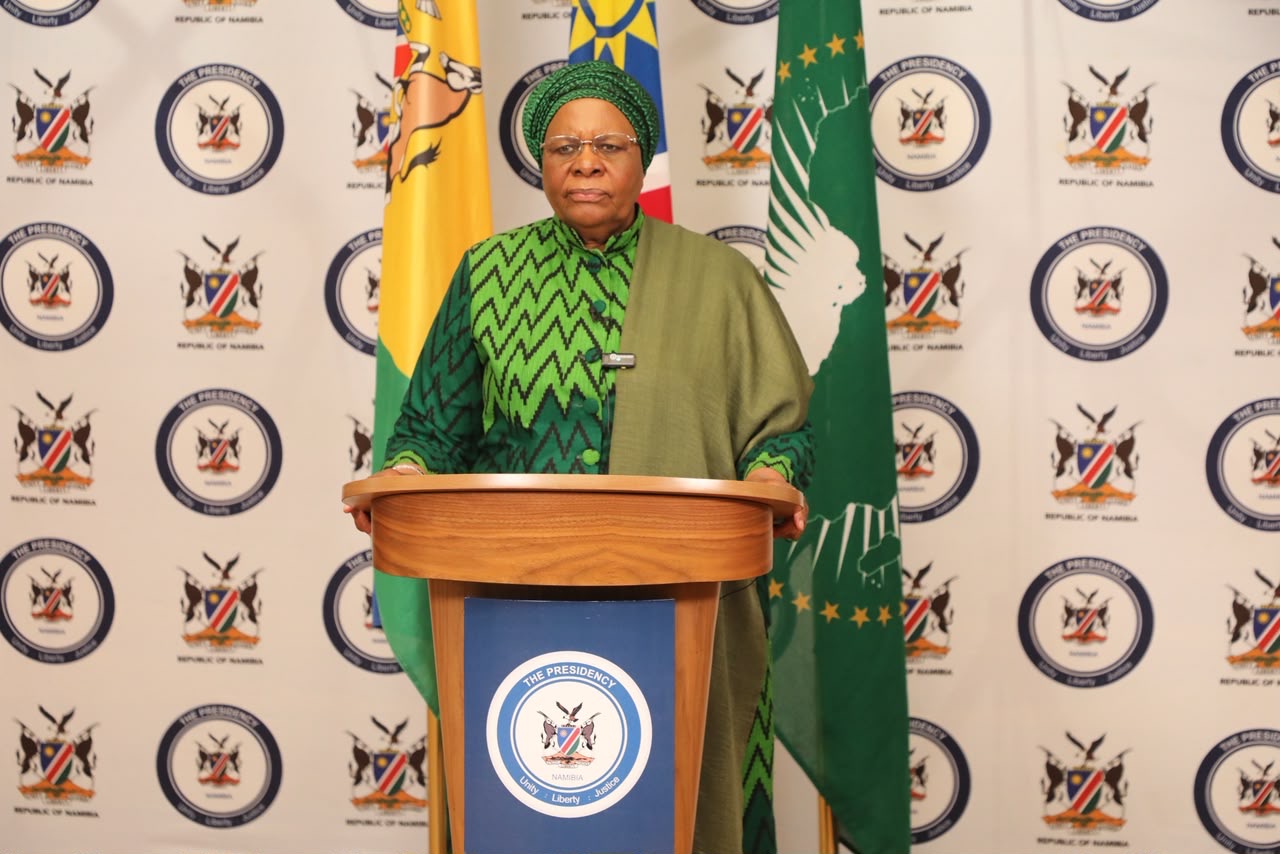
Pronouncing herself on the issue on Monday evening, President Netumbo Nandi-Ndaitwah said the containment measures include establishing a buffer zone in the KarasburgVeterinary District, repairing the Namibia-Botswana border fence and erecting veterinary cordon fencing in high-risk areas along the South African border.
The measures form part of the state`s immediate response following the confirmation of FMD in the //Kharas Region on 23 September.
“Cabinet has directed the immediate implementation of the relevant provisions of the Animal Health Act and the strengthening of disease-control and biosecurity measures,” Nandi-Ndaitwah said, stressing that responsible institutions must act with urgency and coordinate their efforts.
The Critical Containment Response Plan was approved by Cabinet on 4 October, and places the Karasburg Veterinary District at the centre of the containment operation.
According to the President, the plan provides for “establishing a containment buffer zone in the Karasburg Veterinary District to prevent the disease from spreading to unaffected regions.”
It further provides for repairs to the Namibia-Botswana border fence and the construction of veterinary cordon fencing in high-risk areas along the South African border.
The measures come as surveillance efforts have identified 127 confirmed positive cases across 15 farms. By 5 October, veterinary teams had inspected 29,313 animals across 68 farms, while 20 surveillance teams had been constituted and 10 roadblocks established across the //Kharas Region.
“Our immediate task is clear. We must contain the outbreak, prevent its spread and protect unaffected herds, so that normal production and trade can resume as quickly and safely as possible,” Nandi-Ndaitwah said.
The President acknowledged, however, that stronger containment comes with economic consequences for farmers, workers and businesses dependent on livestock movement and trade.
She said movement restrictions and trade disruptions are creating uncertainty for families concerned about their incomes and livelihoods.
Government is also assessing the financial pressure facing farmers and businesses servicing loans, with the aim of preventing the animal-health crisis from developing into prolonged financial distress.
Nandi-Ndaitwah also linked containment directly to the protection of Namibia’s meat industry and export reputation.
“The livestock and meat industry is one of the cornerstones of our economy,” she said, adding that its value chain supports everyone from farmers and farmworkers to transporters, processors and exporters. “Protecting that value chain is a national responsibility.”
Government is also engaging international trading partners, including the European Union, over meat consignments produced before the outbreak was confirmed. Similar engagements are underway with other trading partners to limit disruptions to trade.
The President called on livestock owners, traders, transporters and auctioneers to comply with movement controls and veterinary instructions, warning that collective discipline is essential to protecting unaffected herds.
The containment strategy therefore extends beyond fences and roadblocks. It depends on strict compliance across the livestock value chain, with Government seeking to stop the disease before it creates wider damage to Namibia’s livestock industry, livelihoods and export markets.
Nandi-Ndaitwah said the response requires “all hands ondeck”, with Government leading and coordinating while industry stakeholders play their part in containing the outbreak.