Wednesday, 25 November 2026 · Windhoek

Business Pulse 360°

Covering Business from Every Angle

Most Read

Opening the edition

Namibia’s business news & intelligence Vol. 4 | Issue 4 | November 2026

Business Pulse 360° Issue 4 / Nov 2026

To Advertise
With Us
Contact us on: 081 4275437

6 November 2026

Facebook Instagram Linkedin businesspulse360.com Vol.4 No:4
Insights / Analysis / Opportunities Covering Business from Every Angle

Top story

Transport Costs Drive Namibia's Annual Inflation To 5.6%

Transport recorded the largest contribution to annual inflation in October, while regional figures showed differences in inflation rates and the average prices of selected meat products across the country.

Full story on page 2 →

In this edition

  1. 2 Cover stories 2
  2. 3 Business News Corporate, government, trade, investment and employment news. 1
  3. 4 Sector Pulse Mining, oil and gas, energy, agriculture, tourism, property, transport, finance and technology. 1
  4. 5 Economy 360° GDP, inflation, interest rates, employment, trade and economic policy. 1
  5. 6 Markets & Money NSX, banking, investments, insurance and personal finance. 1
  6. 7 Entrepreneurship SMEs, start-ups, women and young entrepreneurs. 1
  7. 8 Opinion & Analysis Expert opinions, commentary and deeper analysis. 1
  8. 9 Deals & Opportunities Tenders, investments, funding and business opportunities. 1
Business Pulse 360 Real business. A 360 degree view.

news@businesspulse360.com | Covering Business from Every Angle

Page 2

Cover stories

Rising fuel-related costs contributed to Namibia's transport inflation, which increased to 16.5% in October 2026

Transport Costs Remain The Biggest Driver Of Namibia's Inflation

Transport Costs Drive Namibia's Annual Inflation To 5.6%

Transport recorded the largest contribution to annual inflation in October, while regional figures showed differences in inflation rates and the average prices of selected meat products across the country.

Namibia's annual inflation rate increased to 5.6% in October 2026, up from 3.6% recorded during the same month last year, with transport remaining the largest contributor to the increase, according to the Namibia Statistics Agency's (NSA) latest Consumer Price Index bulletin.

In its October bulletin, released on Thursday, it is recorded that monthly inflation at 0.7%, compared with 0.4% in September, while core inflation stood at 3.7%, below the headline rate.

Transport recorded annual inflation of 16.5%, compared with 2.1% in October 2025, contributing 2.5 percentage points to the headline inflation rate.

The increase was reflected in the operation of personal transport equipment, where inflation rose from 1.7% to 22.7%, while public transportation services increased from 0.8% to 15.0%.

Inflation for petrol and diesel within the personal transport equipment category reached 34.1%, compared with 0.8% recorded in October last year.

The regional figures also showed differences in the rate of price increases across the country.

However, Miriam Shihepo, Communication Officer at the Namibia Statistics Agency (NSA), said Zone 2, comprising Khomas, recorded the highest annual inflation rate at 6.2%, followed by Zone 3, covering //Kharas, Erongo, Hardap and Omaheke, at 6.1%.

“Meanwhile, Zone 1, which is Kavango East, Kavango West, Kunene, Ohangwena, Omusati, Oshana, Oshikoto, Otjozondjupa and Zambezi, registered the lowest annual inflation rate at 4.6%,” Shihepo said.

Shihepo also highlighted differences in the average retail prices of selected meat products across the three zones.

“Zone 3 recorded the highest average price for beef stew at N$137.49 per kilogram, followed by Zone 1 at N$127.92 per kilogram, while Zone 2 recorded the lowest average price at N$102.96 per kilogram,” she said.

For beef mince, Zone 3 again recorded the highest average price at N$131.05 per kilogram, followed by Zone 2 at N$122.49, while Zone 1 recorded the lowest at N$116.80 per kilogram.

Meanwhile, food and non-alcoholic beverages recorded annual inflation of 4.8%, compared with 4.6% in October 2025, however housing, water, electricity, gas and other fuels recorded 3.9%, down from 4.1% during the corresponding period last year.

Read this story on the site ›

Mining & Minerals

Dangote Project Puts Governance in Focus

“Please know that this project will remain a presidential project until it is completed,” President Netumbo Nandi-Ndaitwah declared at the launch of the Dangote Namibia Tank Farm and Regional Pipeline Project in Walvis Bay on 4 November.

“Please know that this project will remain a presidential project until it is completed,” President Netumbo Nandi-Ndaitwah declared at the launch of the Dangote Namibia Tank Farm and Regional Pipeline Project in Walvis Bay on 4 November. While the decision is intended to fast-track a major investment that nearly slipped away because of bureaucratic delays, an economist has cautioned that the arrangement raises important questions about institutional accountability, regulatory independence and Namibia’s investment governance.

Speaking at the project’s launch in Walvis Bay on 4 November, the President disclosed that she had personally intervened to persuade Nigerian industrialist Aliko Dangote to reconsider abandoning the investment after his team encountered administrative delays. She said the project would remain a presidential project until completion.

However, Almandro Jansen, Economist at Simonis Storm, believes that while the intervention may help accelerate implementation, it raises important questions about how Namibia manages investment and protects the independence of its institutions.

Jansen said the arrangement should be understood in the context of a rescue intervention rather than a deliberately designed governance model. He acknowledged that central coordination could be necessary for a project involving multiple government institutions, regulators and neighbouring countries.

“The Presidency can” coordinate institutions that no single line ministry can compel to move together, he said, pointing to the complexity of the proposed infrastructure.

However, he cautioned that the approach could create a two-tier investment environment in which large investors receive presidential intervention while Namibian small and medium-sized businesses continue navigating the same administrative obstacles.

“The signal to the market is that if you are large enough, the President will intervene,” Jansen said, warning that this could reward political access over predictable and consistent administrative procedures.

A further concern is the potential pressure placed on regulatory institutions. The project will still require decisions from authorities responsible for environmental clearance, petroleum licensing, competition matters and other statutory processes.

Jansen argued that publicly positioning the investment as a presidential flagship could make it difficult for regulators to demonstrate independence, particularly if technical decisions conflict with the government's desire to see the project succeed.

“The critical question is whether the Presidency coordinates or decides,” he said, adding that a delivery structure focused on clearing administrative bottlenecks could strengthen institutions, whereas one that substitutes for regulators could weaken them.

The economist also raised questions about the relationship between the proposed private-sector infrastructure and the operations of NAMCOR, which has its own national oil storage facility in Walvis Bay. He said an independent assessment should establish how the new facility could affect NAMCOR’s commercial position and the broader fuel logistics market.

Jansen further questioned whether the project’s commercial arrangements, including land, incentives, exclusivity, tariffs and potential state liabilities, would be sufficiently transparent. He noted that the project’s reported scope had expanded from earlier estimates for a Walvis Bay tank farm to a much larger storage and regional pipeline package, an evolution that requires public explanation.

Beyond governance, the investment's economic value will depend on whether it delivers measurable benefits to Namibia.

These include improved fuel security, competitive regional logistics, employment opportunities, skills transfer and meaningful participation by local businesses. However, Jansen argued that the project must demonstrate its ability to compete with existing fuel supply routes serving countries such as Zimbabwe, Zambia and Botswana.

He also questioned whether Namibian motorists would benefit through lower or more stable fuel costs, or whether the infrastructure would primarily serve regional distribution. Increased storage and pipeline capacity alone do not guarantee lower domestic fuel prices.

The economist suggested that the arrangement could be justified if presidential oversight remains a time-bound coordination mechanism, with statutory decisions left to the responsible authorities.

Among the safeguards he proposed are publishing key project agreements and commercial terms, involving the Ministry of Industries, Mines and Energy as the technical lead, providing quarterly progress reports and establishing clear market rules governing access to storage and pipeline infrastructure.

The President's intervention reflects government's determination to prevent another major investment from being lost through administrative delays. Yet, as Jansen cautioned, the lasting solution should be to reform the systems that create those delays, rather than making presidential intervention the route through which major investments succeed.

For Namibia, the challenge is therefore twofold: ensuring that the Dangote investment delivers meaningful economic value while preserving the institutional accountability and predictable investment environment needed to attract future investors.

journalist2@businesspulse360.com

Read this story on the site ›

Business Pulse 360° Cover stories Page 2 of 9

Page 3

Business News

Corporate, government, trade, investment and employment news.

Namibia Airports Company (NAC) chief executive officer Bisey /Uirab. Contributed

AVIATION AND PUBLIC FINANCE

NAC Pays First Dividend to Government in 20 Following a Rise in Profit

Namibia Airports Company recorded a 146% increase in profit after tax to N$23.4 million in the 2025/2026 financial year, while revenue grew by 5.5% to N$570 million, strengthening its financial position.

The Namibia Airports Company (NAC) has declared a N$7.8 million dividend to the government, marking its first dividend payment in 20 years.

This follows a significant improvement in the company`s profit during the 2025/2026 financial year.

The company recorded a profit after tax of N$23.4 million in the 2025/2026 financial year, compared to N$9.5 million in the previous financial year, representing an increase of approximately 146%.

According to pres statement issued by the NAC, revenue grew by 5.5% to N$570 million, while operating cash flows reached N$136.9 million. NAC's cash reserves also strengthened to N$353.2 million, reflecting improved financial resilience.

The dividend will be paid to the Government of Namibia, NAC's sole shareholder, marking a financial return to the state from its investment in the national airport operator.

NAC Board Chairperson, Rosalinde Nakale said the dividend reflected the company's transformation efforts and improved financial management.

“This dividend reflects the success of NAC’s transformation efforts, prudent financial management, and our commitment to creating value for Namibia through responsible stewardship of national assets,” Nakale said.

Chief executive officer Bisey /Uirab said the payment demonstrated the company's ability to balance profitability with continued investment in infrastructure and service delivery.

“The dividend demonstrates NAC’s ability to balance profitability, investment, and service delivery while continuing to invest in infrastructure, customer experience, and sustainability,” /Uirab said.

Passenger traffic reached 1.13 million during the financial year, indicating continued activity across Namibia's airport network.

Works and Transport Minister, Veikko Nekundi commended NAC's board, management and employees for their contribution to the company's improved performance, describing the dividend as evidence of sound governance and responsible management of a strategic national asset.

“This dividend will go a long way to help fund hospitals, clinics, schools, roads and other public services,” Nekundi said.

Looking ahead, NAC plans to increase annual revenue to N$1 billion and passenger volumes to 2.5 million by 2031 under its Integrated Strategic Business Plan (ISBP) 2026–2031.

The strategy prioritises infrastructure development, expansion of commercial and cargo opportunities, digital transformation, sustainability and improved customer experience across its airports.

The company said its improved financial performance and stronger cash position provide a foundation for continued investment and sustainable growth.

Read this story on the site ›

Business Pulse 360° Business News Page 3 of 9

Page 4

Sector Pulse

Mining, oil and gas, energy, agriculture, tourism, property, transport, finance and technology.

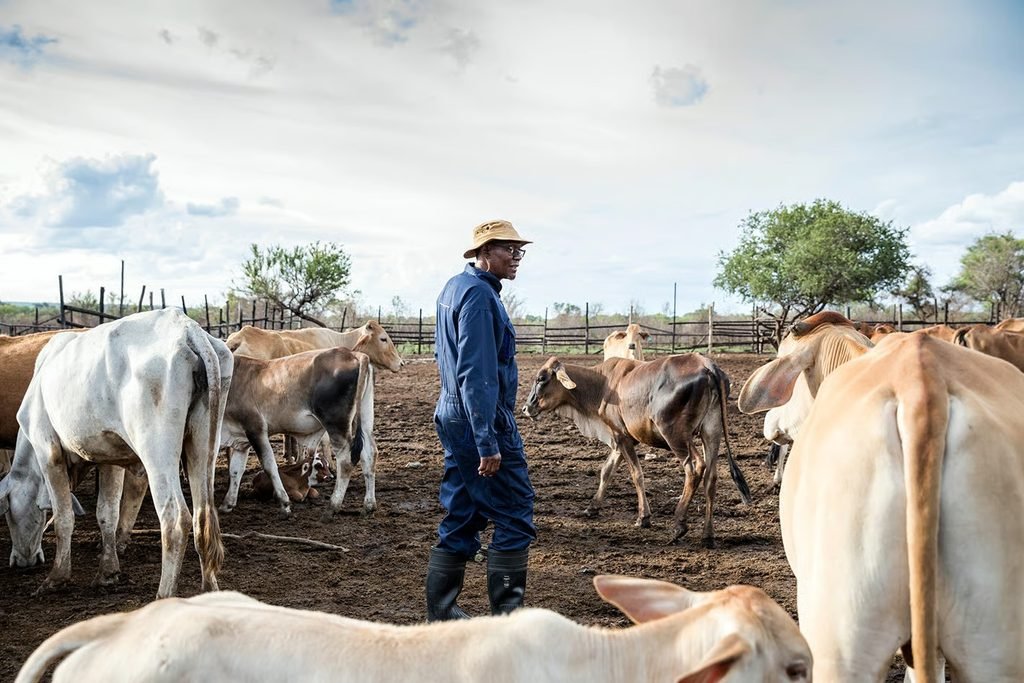
A farmer with cattle in a livestock farming area. The brief

BANKING AND FINANCE

Farmers Welcome Loan Relief But Fear Rising Interest Costs

A Zambezi farmer says foot-and-mouth disease restrictions have made it difficult to generate income and repay bank loans, while new relief measures raise questions about how lenders will support struggling agricultural borrowers.

Farmers affected by foot-and-mouth disease (FMD) have welcomed the Bank of Namibia’s loan relief measures, but warn that restructuring existing loans should not leave them with additional interest costs while livestock marketing restrictions continue to affect their income.

Bevin Tuwelo, a farmer in the Zambezi Region, said recurring FMD outbreaks had disrupted livestock sales, making it difficult for producers to generate enough income to service bank loans and maintain their farming operations.

He said attempts by some farmers to negotiate more flexible repayment arrangements with banks had often been unsuccessful, with producers facing possible legal action over missed repayments despite restrictions limiting their ability to sell livestock.

“The bank relief sought for farmers, yes, it can help to re-plan the loan with friendly terms. However, it should not be used as a trap for more interest on the existing loans,” Tuwelo said.

His concerns come as the central bank introduced Determination BID-42, requiring banks to provide eligible farmers and agricultural businesses affected by FMD and El Niño-related climatic conditions with loan repayment moratoriums ranging from one to 24 months.

The duration of the relief depends on an assessment of each borrower’s financial circumstances and repayment capacity. Banks may also restructure existing loans and provide additional credit facilities to qualifying borrowers.

However, interest on restructured loans will continue at the contractual rate unless the bank and borrower agree otherwise in writing. Borrowers must demonstrate that their income has been adversely affected by FMD or El Niño-related conditions to qualify.

Tuwelo said the relief could provide farmers with an opportunity to reorganise their finances, but urged banks to consider the circumstances of affected producers when negotiating repayment arrangements.

He also called for greater consultation with farmers, particularly communal and small-scale producers who may not have the same bargaining power as commercial farmers.

Nedbank Namibia said it welcomed BID-42 and was reviewing the implementation requirements while aligning its internal processes.

The bank said assistance would be considered on a case-by-case basis, taking into account each client’s circumstances, the impact on their farming operations and their ability to meet financial obligations over the long term.

“Depending on the circumstances, relief measures may include repayment moratoriums, restructuring of existing facilities, or other appropriate support mechanisms as provided for under the determination,” Nedbank said.

The bank encouraged affected clients to contact their relationship managers or visit their nearest branch to discuss their circumstances and the assistance available.

Beyond loan repayments, Tuwelo said limited formal livestock marketing opportunities in the Zambezi Region were compounding farmers’ financial difficulties.

He said some producers depended on small butcheries that bought livestock at low prices, particularly when farmers urgently needed cash to meet their financial obligations.

He further warned that poor rainfall associated with El Niño could affect grazing conditions and the availability of supplementary feed, increasing the cost of maintaining livestock.

Under BID-42, banks are required to provide written reasons when they decline applications for relief. Qualifying borrowers receiving relief should also be reported as performing to credit bureaus during the relief period, subject to applicable requirements under BID-2.

Read this story on the site ›

Business Pulse 360° Sector Pulse Page 4 of 9

Page 5

Economy 360°

GDP, inflation, interest rates, employment, trade and economic policy.

Meatco is targeting approximately N$2 billion in revenue for the 2026/27 financial year after Group revenue declined to N$1.11 billion in 2025/26. Contributed

Financial Performance

Meatco Targets N$2 Billion Revenue in 2026/27 FY

Lower cattle availability reduced the corporation’s throughput by more than half, with Group revenue falling from N$1.87 billion to N$1.11 billion in the 2025/26 financial year.

Meatco is targeting approximately N$2 billion in revenue in the 2026/27 financial year after reporting a decline in revenue, gross profit and operating profit, following a sharp reduction in cattle processed during the previous financial year.

The corporation’s group revenue fell to N$1.11 billion for the year ended 31 January 2026, compared with N$1.87 billion in 2024/25.

This drop is due to lower cattle supply and reduced production volumes affected its operations, according to its 2025/2026 FY annual report.

Interim Chief Executive Officer Ambassador ,Albertus Aochamub on the report attributed the decline in revenue to the reduced availability of cattle and lower production volumes.

He, however, noted that the corporation remained profitable despite the lower throughput.

The financial results showed that operating profit declined from N$145.3 million to N$77 million, while profit after tax decreased from N$43.8 million to N$40.5 million.

Gross profit also dropped significantly, from N$143.2 million in the previous financial year to N$39.4 million during the period under review, according to the report.

Meanwhile, finance costs decreased from approximately N$43 million to N$36.9 million. Government grant income amounted to N$186 million, compared with N$216.6 million in 2024/25, while other operating income totalled N$198.3 million, down from N$220.9 million.

Aochamub said the lower throughput had affected the corporation’s revenue and profitability, but highlighted the role of financial management and cost control in keeping the business profitable.

“The lower throughput environment inevitably impacted revenue and profitability. However, prudent financial management, disciplined cost control and improved working capital management enabled the Group to remain profitable while strengthening its financial position,” he said.

The decline in revenue coincided with a fall in cattle throughput from 75,268 head in 2024/25 to 35,594 in 2025/26. Production volumes also decreased from 18,673 tonnes to 8,930 tonnes.

Looking ahead, Meatco’s approved business and financial plan for 2026/27 projects revenue of approximately N$2 billion and throughput of 50,000 cattle.

Aochamub said the projections were supported by planned improvements in operational efficiency and continued financial discipline.

He further outlined that the corporation would prioritise restoring throughput and strengthening livestock procurement, while maintaining access to premium international markets.

In addition, Aochamub said Meatco would focus on cost optimisation, organisational efficiency and stabilising its Northern Communal Areas operations.

He also expressed optimism about a gradual recovery in the national cattle herd and improving market conditions.

“While challenges remain, Meatco enters the new financial year with a stronger balance sheet, improved liquidity, and renewed confidence in its ability to deliver sustainable value to producers, customers and stakeholders,” Aochamub said.

Read this story on the site ›

Business Pulse 360° Economy 360° Page 5 of 9

Page 6

Markets & Money

NSX, banking, investments, insurance and personal finance.

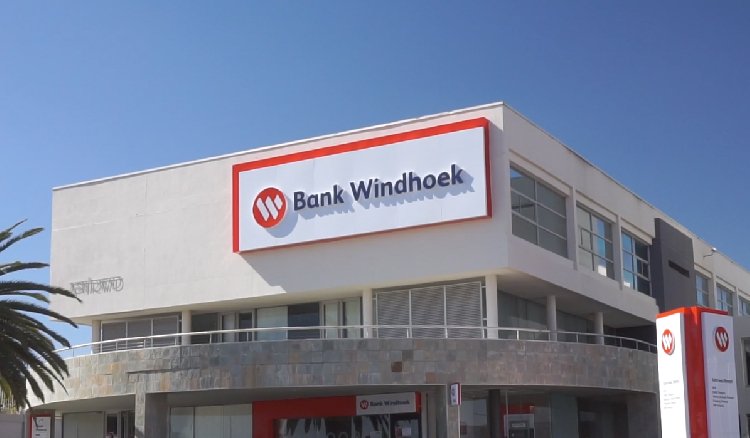
Bank Windhoek recorded N$182 million in credit impairment losses during the 2026 financial year, up from N$141 million in the previous year. Contributed

Banking | Financial Performance

Bank Windhoek Records N$182 Million In Bad Loan Costs

The bank’s credit impairment losses increased from N$141 million in 2025, while loans and advances grew by 4.3% to N$40.05 billion during the 2026 financial year.

Bank Windhoek has recorded N$182 million in credit impairment losses during the 2026 financial year, a 29.1% increase from the N$141 million reported in the previous year, as its loans and advances to customers continued to grow.

In its 2026 Annual Report, the bank recorded loans and advances increased by 4.3%, from N$38.403 billion in 2025 to N$40.054 billion at the end of June 2026.

The increase in credit impairment losses reflects higher provisions for loans that may not be recovered, while the bank also wrote off N$351 million in loans classified as uncollectable during the year, compared with N$316 million in 2025.

The amount recovered from previously written-off loans increased to N$16 million from N$7 million in the previous financial year

The report further shows that the bank’s total loan impairment balance declined to N$1.091 billion from N$1.247 billion, despite the higher impairment charge recorded during the year.

Across its lending categories, non-performing term loan exposures increased by N$170 million, from N$489 million to N$659 million. Non-performing instalment finance exposures also rose by N$22 million, from N$64 million to N$86 million.

However, non-performing mortgage exposures decreased by N$188 million, from N$516 million to N$328 million, while overdraft and credit card exposures classified as non-performing declined by N$166 million, from N$534 million to N$368 million.

The bank attributed the changes in the mortgage and overdraft portfolios to improved recoveries and arrears management, as well as improvements in the credit quality of the overdraft and credit card portfolio.

Meanwhile, the bank’s net interest income increased by 5.2% to N$2.727 billion from N$2.593 billion, supported by growth in its loan book.

However, after accounting for credit impairment charges, net interest income grew by a slower 3.8% to N$2.545 billion, compared with N$2.452 billion in 2025.

The bank’s operating expenses also increased by 8.3% to N$2.488 billion from N$2.298 billion, while profit before tax declined by 1.6% to N$1.920 billion from N$1.952 billion.

Despite the higher impairment charges and operating expenses, profit after tax remained unchanged at N$1.396 billion.

Read this story on the site ›

Business Pulse 360° Markets & Money Page 6 of 9

Page 7

Entrepreneurship

SMEs, start-ups, women and young entrepreneurs.

Fourteen businesses representing Namibia’s 14 regions received grants under the SME Fund’s inaugural Chelete Cage Pitch Event. NIPDB

Business Development

14 Local Businesses Awarded SME Fund Grants of Up to N$100,000

The grants, awarded to businesses selected from nearly 900 applicants, will help entrepreneurs expand their operations and strengthen their capacity to secure further financing.

The Namibia Investment Promotion and Development Board (NIPDB) has awarded grants ranging between N$65,000 and N$100,000 to 14 Namibian businesses to support their expansion and strengthen their capacity to access further financing.

The awarding of the grants was announced at the inaugural SME Fund Chelete Cage Pitch Event held in Windhoek on Tuesday.

The beneficiaries were selected from nearly 900 applications received during the fund’s first call, with the successful entrepreneurs representing all 14 regions, presenting their business models, growth plans and funding needs across three pitching sessions at the NIPDB Head Office, marking the completion of the fund’s first funding cycle and the beginning of financial and enterprise development support for the selected businesses.

NIPDB's Acting Chief Executive Officer (CEO), Julia Muetudhana highlighted the response to the funding call as an indication of the demand for accessible business support across the country.

“Every one of those nearly 900 applications represents a person with an idea, a family that depends on a business, and a community that stands to benefit if that business grows,” Muetudhana said.

She stressed that the fund forms part of the NIPDB’s mandate to develop competitive Namibian micro, small and medium enterprises (MSMEs) and promote exports, noting the sector’s contribution to a diversified and inclusive economy.

The SME Fund operates under the Promotion of Small and Medium Enterprises Development in Namibia (ProSME) Project, funded by the German Federal Ministry for Economic Cooperation and Development (BMZ).

Meanwhile, Deputy Chief National Development Advice and Director of Development Partners Coordination at the NPC, Ned Sibeya, emphasised the role of entrepreneurship in achieving the country’s Sixth National Development Plan (NDP6) ambitions.

“Achieving our NDP6 ambitions will require many successful entrepreneurs, not just a few,” Sibeya said, highlighting the need for businesses that create jobs, develop new products and explore new markets to contribute to a more diversified and resilient economy.

Moreover, German Ambassador to Namibia, Thomas Wimmer reaffirmed Germany’s commitment to supporting entrepreneurship and sustainable economic development, highlighting cooperation with the NIPDB and other institutions as part of efforts to help businesses turn their ideas into viable enterprises.

“Through our cooperation with NIPDB and other institutions, we want to contribute to an environment where entrepreneurs can turn their ideas into thriving enterprises,” Wimmer said.

Beyond the grants, the first cohort will receive enterprise development and technical support to strengthen business operations, increase turnover, improve sustainable business practices and prepare for further financing.

The beneficiaries operate across agriculture and agro-processing, manufacturing, tourism, education, health and wellness, the creative industries, and the blue and circular economies.

Some of the businesses awarded funding were Okarui City Fresh Produce Trading CC, based in the Omaheke Region, which received N$100,000.

Its owner, Kahete Keeja, outlined how the grant would help address constraints that have limited the business’s expansion since it started operating four years ago.

“This opportunity has given me a chance to put myself out there and step into uncomfortable spaces as I continue to put myself and my business out there,” Keeja said.

She explained that the funding would be used to invest in storage capacity, which would improve the business’s ability to supply fresh produce.

Meanwhile ,Zee Media Group CC, Kauna Mighty Empowerment Investment CC and Rendez-Vous Investment CC each received N$100,000.

In addition ,Tavinda Investment CC, Elephant Rest Tented Camp, Oelewe Investments CC, Riverdale Private Academy and Kalinasho Trading Enterprises CC each received N$75,000, while Santo-Lite Investment CC, Cooccur Trading CC, Felistas & Sons Investments CC, Mwayola’s Vision Investment CC and Ultra Events CC each received N$65,000.

The SME Fund's Project Lead, Michael Field outlined the scale of the programme’s funding, stating that approximately €430,000 was available across seven funding calls, with individual grants generally ranging from N$50,000 to N$100,000.

Further highlighted that women-led enterprises accounted for 44% of applications during the first call, while youth-led businesses represented 49%.

The first cohort marks the completion of the SME Fund’s inaugural funding cycle, with the 14 beneficiaries set to receive support to address business growth constraints and build the capacity needed to access further financing.

The initiative brings together the National Planning Commission (NPC), Deutsche Gesellschaft für Internationale Zusammenarbeit (GIZ) GmbH and the NIPDB to support businesses with growth potential that are not yet ready to access traditional financing.

Read this story on the site ›

Business Pulse 360° Entrepreneurship Page 7 of 9

Page 8

Opinion & Analysis

Expert opinions, commentary and deeper analysis.

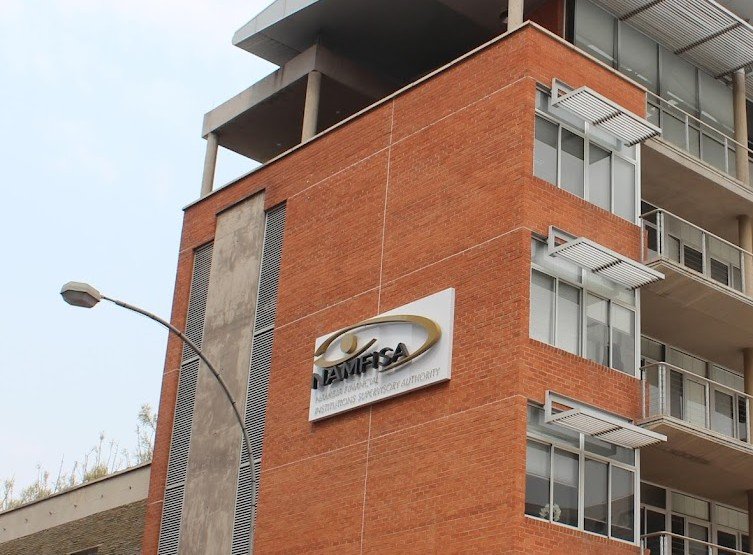
Namibia's financial sector has increased its holdings of Government securities during the first half of 2026. Contributed

Banking | Financial Stability

Namibia's Financial Sector Deepens Exposure To Government Debt

The Bank of Namibia and NAMFISA have highlighted increased holdings of Government securities among local banks and retirement funds, alongside household and business pressures that could affect the country's financial stability.

Namibia's financial sector has increased its exposure to Government debt during the first half of 2026, with local banks and retirement funds holding a larger share of their assets in Government securities.

According to the October 2026 Namibia Financial Stability Report issued by the Bank of Namibia (BoN), local banks' holdings of government treasury bills, stocks and bonds have increased from 14.6% of total banking sector assets at the end of December 2025 to 16.1% by the end of June 2026.

The central bank has attributed the increased sovereign-bank exposure to higher holdings of Government securities, noting that the development has strengthened the direct financial link between the banking sector and Government.

The report has assessed the probability of risks arising from this relationship materialising over the following six months as medium, while rating their potential impact on financial system stability as high.

Retirement funds have also recorded sovereign exposure of 14.8% of total assets, slightly above the historical upper quartile of 14.7%.

However, the report has classified this exposure as normal in its prudential dashboard.

The report has further highlighted that increased sovereign exposure among non-bank financial institutions (NBFIs) has deepened their common exposure to domestic yields, fiscal conditions and Government refinancing requirements.

Beyond the exposure to government debt, the joint assessment has also identified pressures on households and businesses, including rising debt levels, the downturn in the diamond sector and the foot-and-mouth disease outbreak.

The report has noted that these developments could place further pressure on household and business incomes, as well as their ability to meet loan repayments.

However, it has assessed their implications for financial stability as contained at this stage.

On the broader banking sector, the report has shown that total banking assets expanded by 7.8% to N$202.8 billion at the end of June 2026.

The growth was mainly supported by increased short-term negotiable securities, net loans and advances, as well as cash and balances held with other banks.

Despite the increased exposure to Government securities, the joint report has found that local banks remained well-capitalised and liquid, while pension funds, insurers and other NBFIs remained financially sound.

In addition, the banking sector's non-performing loans ratio has reported declined to 4.0% in the second quarter of 2026, while its capital adequacy ratio increased from 17.3% at the end of 2025 to 18.6% by the end of June 2026.

The report's stress test assessments have also indicated that banks maintained adequate capital buffers to absorb the assumed shocks under different scenarios.

Meanwhile, aggregate assets in the NBFI sector increased by 4.0% during the first half of 2026 to N$575 billion, while retirement funds remained fully funded at 101.2%, according to BoN.

The organisations has further identified global uncertainty, El Niño, cyber threats and the financial sector's growing exposure to sovereign debt as areas requiring continued monitoring.

It has also highlighted the importance of maintaining the resilience of the financial system to support the continued provision of financial services to households and businesses.

The report has assessed risks to Namibia's financial system as low to moderate, while rating the potential impact of risks arising from the sovereign-financial nexus on financial stability as high.

Read this story on the site ›

Business Pulse 360° Opinion & Analysis Page 8 of 9

Page 9

Deals & Opportunities

Tenders, investments, funding and business opportunities.

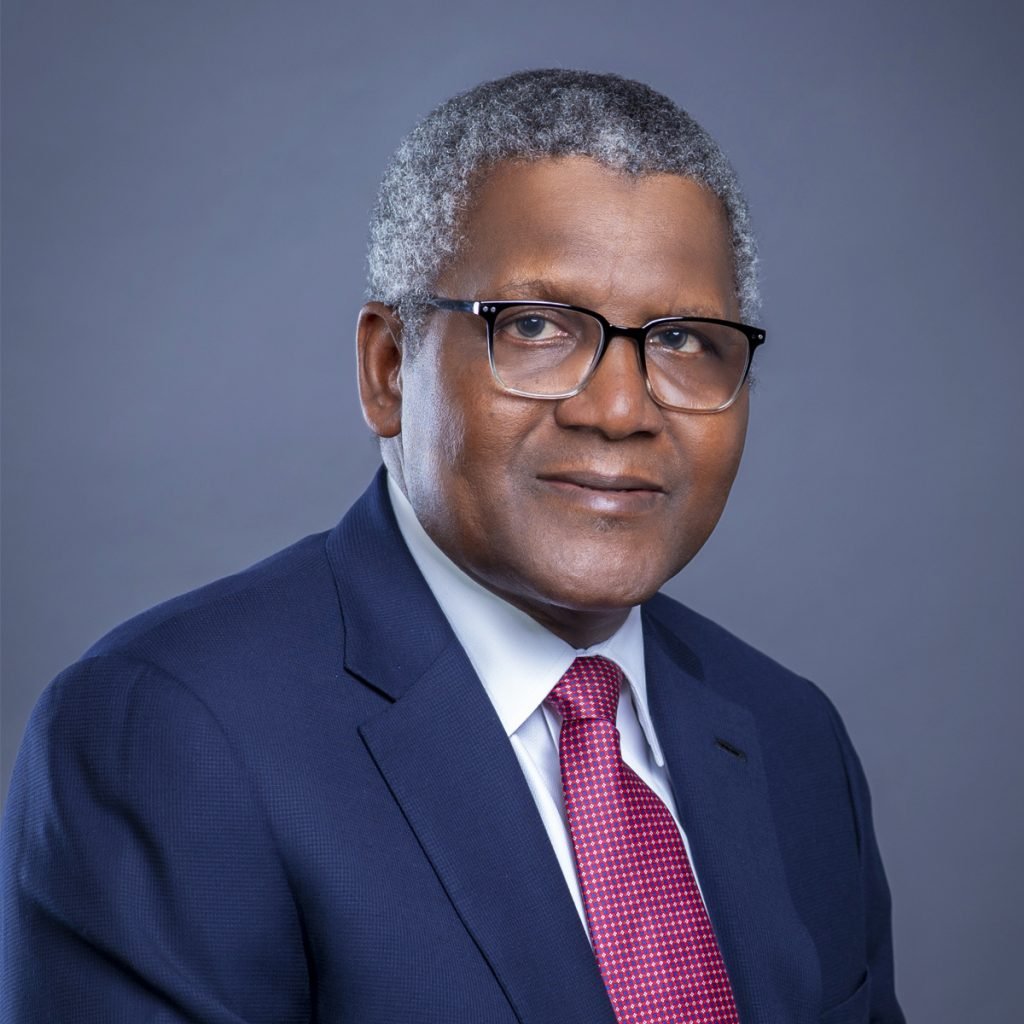
Aliko Dangote, Chairman of Dangote Industries Limited. Contributed

ENERGY INVESTMENT

Dangote’s N$41 Billion Investment Targets Namibia’s Fuel Security and Regional Distribution

Nigerian billionaire Aliko Dangote has launched a US$2.6 billion (N$41 billion) fuel storage and regional pipeline project at Walvis Bay, aimed at strengthening Namibia's fuel security, expanding regional petroleum distribution and eventually reducing fuel costs.

Nigerian billionaire, Aliko Dangote has launched a US$2.6 billion (approximately N$41 billion) fuel storage and regional pipeline project at Walvis Bay, positioning Namibia as a potential regional petroleum distribution hub while aiming to strengthen fuel security and reduce transportation costs.

The project, which launched on Wednesday at Farm 58 in Walvis Bay, includes a petroleum storage facility and a proposed 1,700-kilometre pipeline network intended to transport refined fuel from Nigeria through Namibia to regional markets.

Speaking during the launch, Dangote said the investment would eventually reduce fuel costs in Namibia.

“The investment we are putting in is US$2.6 billion (about N$41 billion) and will eventually reduce the cost of fuel in Namibia,” he said.

President Nandi-Ndaitwah said the investment by Dangote Industries Limited would support Namibia's energy security while potentially extending fuel supply to landlocked neighbouring countries, including parts of the Democratic Republic of Congo (DRC) and South Africa.

Speaking during the launch, the President said the project was intended to address fuel supply security beyond Namibia's borders and contribute to regional economic development.

“The purpose of this is to ensure the oil supply security for Namibia and its landlocked neighbouring countries, including some parts of DRC, and of course possibly some parts of South Africa,” Nandi-Ndaitwah said.

The investment involves the establishment of the Dangote Namibia Tank Farm and a regional pipeline project, which the President said emerged from discussions with Dangote during his first visit to Namibia in August 2025.

She said the decision to invest followed engagements between the two parties, during which Dangote expressed interest in contributing to Namibia's development through energy infrastructure.

Nandi-Ndaitwah said she initially questioned whether the proposed investment would materialise but expressed satisfaction with the progress made towards implementation.

“While the implementation of this project seems to be moving fast, that was not really my expectation,” she said, adding that she had hoped the project would have progressed further by now.

The proposed pipeline network is expected to connect Namibia with regional markets, including Botswana, Zambia, Zimbabwe and the DRC, potentially strengthening Walvis Bay's position as a petroleum distribution centre for landlocked countries.

The project is also expected to improve fuel storage and distribution capacity, which could help Namibia manage supply disruptions and reduce its reliance on long-distance road transportation of petroleum products.

For Namibia, improved fuel storage infrastructure could support greater supply resilience, while regional distribution could create opportunities to expand trade and economic cooperation with neighbouring countries.

However, the extent to which the investment will translate into lower fuel prices for consumers will depend on transportation costs, distribution charges, taxes and other components of fuel pricing.

The President described Dangote's decision to invest in Namibia as a significant development, welcoming him as an African investor committed to contributing to economic prosperity on the continent.

She recalled inviting Dangote to her inauguration in March 2025, although he could not attend due to other commitments. He subsequently visited Namibia in August of the same year, where they held discussions that led to the proposed investment.

Read this story on the site ›

Business Pulse 360° Deals & Opportunities Page 9 of 9

Download this edition as a PDF Every page, laid out to print.