Home Market & Sectors Agriculture & Oceans
Agriculture and Oceans
Namibia Targets Greater Economic Returns From Biological Resources
The government is strengthening access to biological resources and benefit-sharing mechanisms to improve rural incomes, create employment and promote local value addition.

The Ministry of Environment, Forestry and Tourism is seeking to strengthen the commercialisation of Namibia’s biological and genetic resources to increase economic benefits for rural communities, improve permit processing and support employment creation.
The ministry’s Executive Director, Sikongo Haihambo said more than 300 Access and Benefit-Sharing (ABS) permits have been issued since the legislation came into force in November 2021.
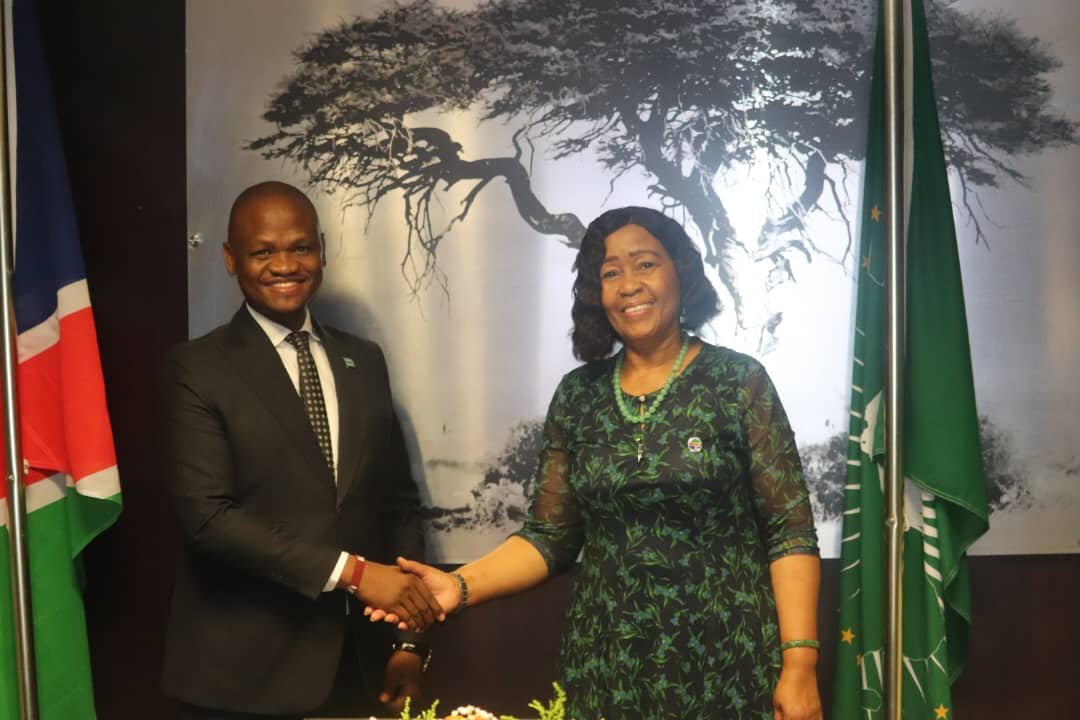
Speaking at the official launch of the translated ABS Act in local languages in Windhoek on Wednesday, Haihambo said making the legislation accessible to communities would strengthen their ability to negotiate and secure fair economic returns from their natural resources.
“A law a community cannot read is a right it cannot claim, and a right it cannot negotiate. Today we close that gap,” he said.
According to Haihambo Namibia is the world’s largest exporter of devil’s claw, with estimated annual exports ranging between 400 and 600 tonnes, while between 5,000 and 10,000 harvesters depend on the resource for cash income.
The country’s 87 communal conservancies and 48 community forests collectively cover approximately 186,000 square kilometres, representing more than 60% of communal land.
Haihambo said the legislation requires prior informed consent, mutually agreed terms and the fair distribution of benefits between the State and communities that hold biological resources and associated traditional knowledge.
The initiative also supports the Sixth National Development Plan (NDP6), which prioritises value addition and beneficiation of natural resources as part of the country’s development objectives.
The ministry has committed to strengthening the ABS Office through improved staffing and institutional structures to accelerate permit processing, expand regional monitoring and ensure communities receive benefits without unnecessary delays.
The office serves as a central access point for researchers, industries, health and veterinary institutions, and communities seeking access to or permission to export biological and genetic resources.
“Efficiency in this office is not an administrative matter. It is how the promise of this law becomes income, jobs, and dignity in our villages,” Haihambo said.
The translation initiative was supported by the GIZ National Biodiversity Strategy and Action Plan project, alongside language experts, reviewers and community members.