Home Market & Sectors Mining & Minerals
Mining Investment
Mining Sector Creates 6,113 Jobs, Investment Reaches US$650 Million
Namibia’s mining industry has exceeded its annual employment target by nearly 36%, while calling for regulatory reforms, infrastructure investment and improved access to financing to unlock further economic opportunities.
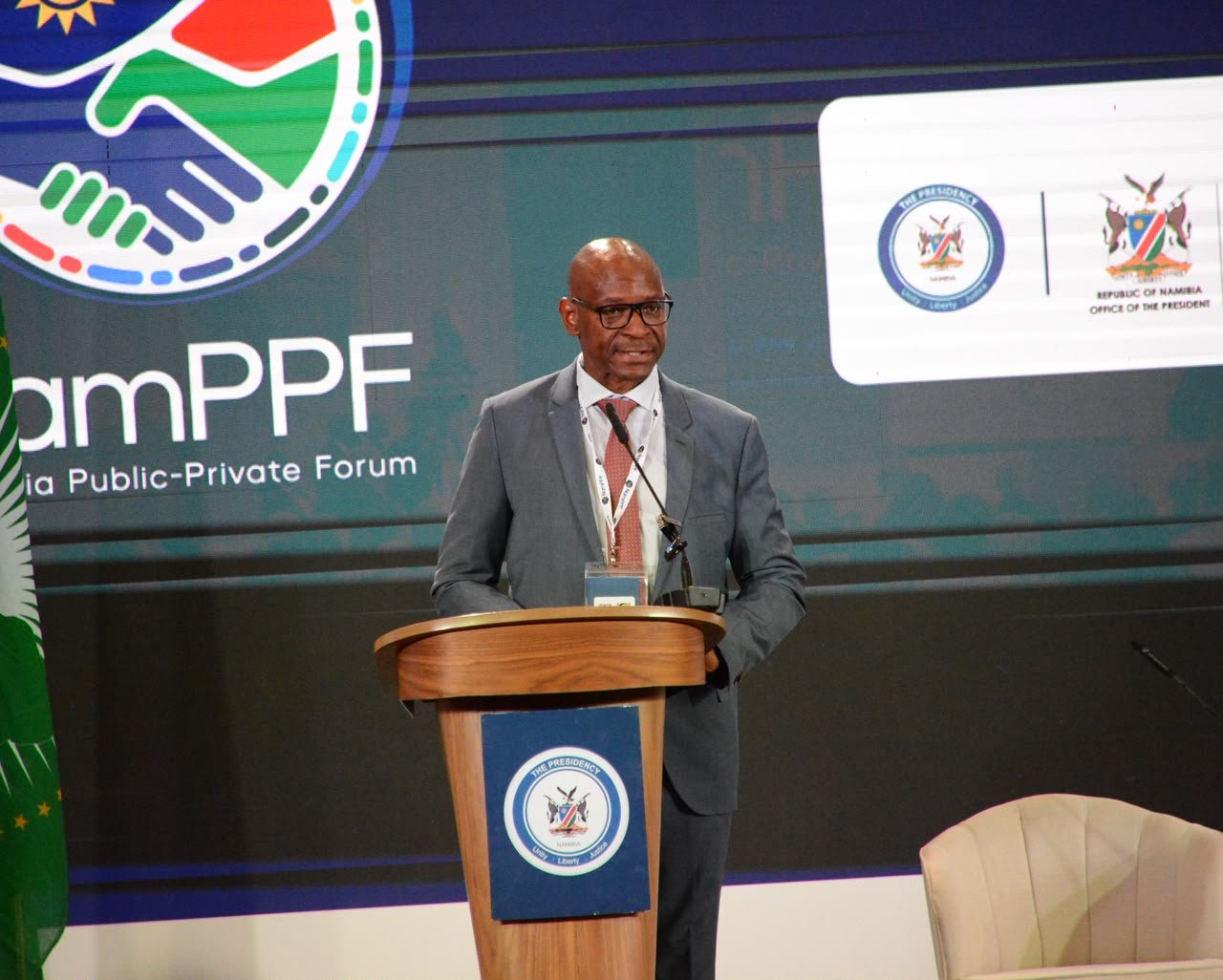
The Chamber of Mines of Namibia’s President, George Botshiwe said the mining industry has created 6,113 jobs and realised nearly US$650 million in investments over the past 12 months, exceeding its annual employment target of 4,500 jobs.
Speaking at the second Namibia Public-Private Forum in Windhoek on Wednesday, Botshiwe said the industry had committed to investing more than US$2.8 billion and creating over 18,000 jobs over four years during the inaugural forum in October last year.
“We committed 18,000 jobs over the next four years. So if you average it out, that’s 4,500 jobs per year,” Botshiwe said.
He indicated that committed mining projects currently amount to US$1.8 billion, of which nearly US$650 million has been realised against an annual investment target of US$700 million.
Investment activity has been driven by several developments across the gold, uranium and base metals industries.
Among these is the Twin Hills gold mine in Karibib, which currently supports 2,500 construction jobs and is expected to create approximately 1,000 permanent jobs once the mine becomes operational, with production scheduled to commence in 2027.
Other developments include the underground expansion at Navachab Gold Mine, aimed at increasing production and extending the mine’s operational lifespan, and B2Gold’s development of a second underground mine at Otjikoto.
Construction is also underway at Husab Uranium Mine’s heap leach project and Rosh Pinah Mine’s multi-metal recovery plant.
Despite the progress, Botshiwe expressed concern over inadequate railway infrastructure, which remains a major constraint on the transportation of mining inputs and mineral products.
“We move heavy loads, not only in our inputs, but also in our outputs, and we want to get this material off the roads. So the investment into rail infrastructure is critical,” he said.
Botshiwe also highlighted financing constraints affecting small-scale miners, noting that the Minerals Development Fund remains underfunded despite its potential to support small and medium enterprises (SMEs).
He said mining companies continue to contribute towards SME development, citing the recent commissioning of an SME park developed by Navachab Gold Mine in Karibib.
The industry also faces challenges in securing specialised skills required for upcoming mining developments, despite progress in introducing five year investor visas.
“There are skills that we definitely need, and as much as, as I say, as an industry, we do a lot in terms of training, in terms of apprenticeships, but there are certain skills that we still need to bring and we are seeing delays on this,” Botshiwe said.
He further called for the finalisation of the Minerals Bill, Mining Charter and Special Economic Zone regulations to strengthen investor certainty, encourage local participation and promote mineral beneficiation.
Botshiwe said the industry sees potential to unlock more than 4,500 additional jobs through further mining developments, provided that regulatory, infrastructure and operational bottlenecks are addressed.
The chamber also called for the digitalisation of licensing processes, improved institutional capacity and greater collaboration between government and the private sector to accelerate investment and employment creation.