ENERGY INVESTMENT
Dangote’s N$41 Billion Investment Targets Namibia’s Fuel Security and Regional Distribution
Nigerian billionaire Aliko Dangote has launched a US$2.6 billion (N$41 billion) fuel storage and regional pipeline project at Walvis Bay, aimed at strengthening Namibia's fuel security, expanding regional petroleum distribution and eventually reducing fuel costs.
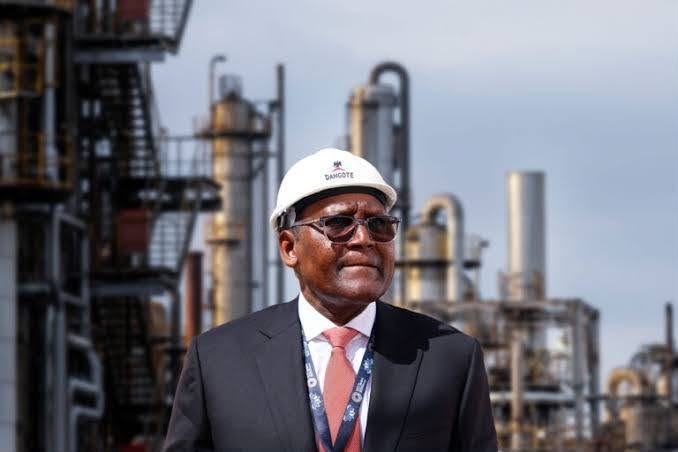
Nigerian billionaire, Aliko Dangote has launched a US$2.6 billion (approximately N$41 billion) fuel storage and regional pipeline project at Walvis Bay, positioning Namibia as a potential regional petroleum distribution hub while aiming to strengthen fuel security and reduce transportation costs.
The project, which launched on Wednesday at Farm 58 in Walvis Bay, includes a petroleum storage facility and a proposed 1,700-kilometre pipeline network intended to transport refined fuel from Nigeria through Namibia to regional markets.
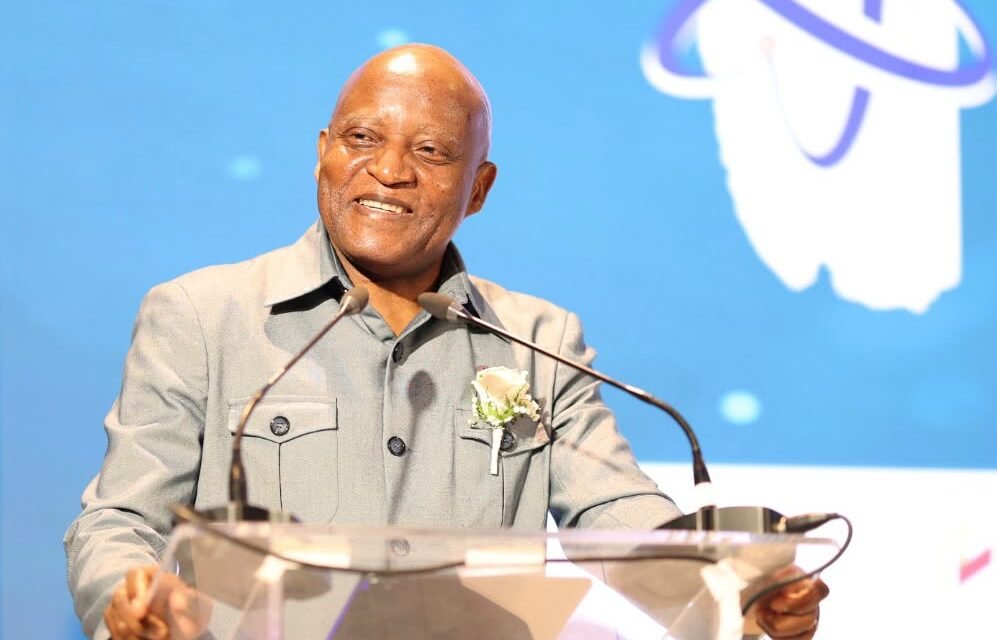
Speaking during the launch, Dangote said the investment would eventually reduce fuel costs in Namibia.
“The investment we are putting in is US$2.6 billion (about N$41 billion) and will eventually reduce the cost of fuel in Namibia,” he said.
President Nandi-Ndaitwah said the investment by Dangote Industries Limited would support Namibia's energy security while potentially extending fuel supply to landlocked neighbouring countries, including parts of the Democratic Republic of Congo (DRC) and South Africa.
Speaking during the launch, the President said the project was intended to address fuel supply security beyond Namibia's borders and contribute to regional economic development.
“The purpose of this is to ensure the oil supply security for Namibia and its landlocked neighbouring countries, including some parts of DRC, and of course possibly some parts of South Africa,” Nandi-Ndaitwah said.
The investment involves the establishment of the Dangote Namibia Tank Farm and a regional pipeline project, which the President said emerged from discussions with Dangote during his first visit to Namibia in August 2025.
She said the decision to invest followed engagements between the two parties, during which Dangote expressed interest in contributing to Namibia's development through energy infrastructure.
Nandi-Ndaitwah said she initially questioned whether the proposed investment would materialise but expressed satisfaction with the progress made towards implementation.
“While the implementation of this project seems to be moving fast, that was not really my expectation,” she said, adding that she had hoped the project would have progressed further by now.
The proposed pipeline network is expected to connect Namibia with regional markets, including Botswana, Zambia, Zimbabwe and the DRC, potentially strengthening Walvis Bay's position as a petroleum distribution centre for landlocked countries.
The project is also expected to improve fuel storage and distribution capacity, which could help Namibia manage supply disruptions and reduce its reliance on long-distance road transportation of petroleum products.
For Namibia, improved fuel storage infrastructure could support greater supply resilience, while regional distribution could create opportunities to expand trade and economic cooperation with neighbouring countries.
However, the extent to which the investment will translate into lower fuel prices for consumers will depend on transportation costs, distribution charges, taxes and other components of fuel pricing.
The President described Dangote's decision to invest in Namibia as a significant development, welcoming him as an African investor committed to contributing to economic prosperity on the continent.
She recalled inviting Dangote to her inauguration in March 2025, although he could not attend due to other commitments. He subsequently visited Namibia in August of the same year, where they held discussions that led to the proposed investment.