Home Market & Sectors Banking & Finance
Development Financing
Shafudah Calls For Private Capital To Bridge Namibia’s N$500 Billion Development Funding Gap
Finance Minister Erica Shafudah has called for greater mobilisation of domestic pension funds and international private capital to finance infrastructure, stimulate industrialisation and support Namibia’s economic growth ambitions.
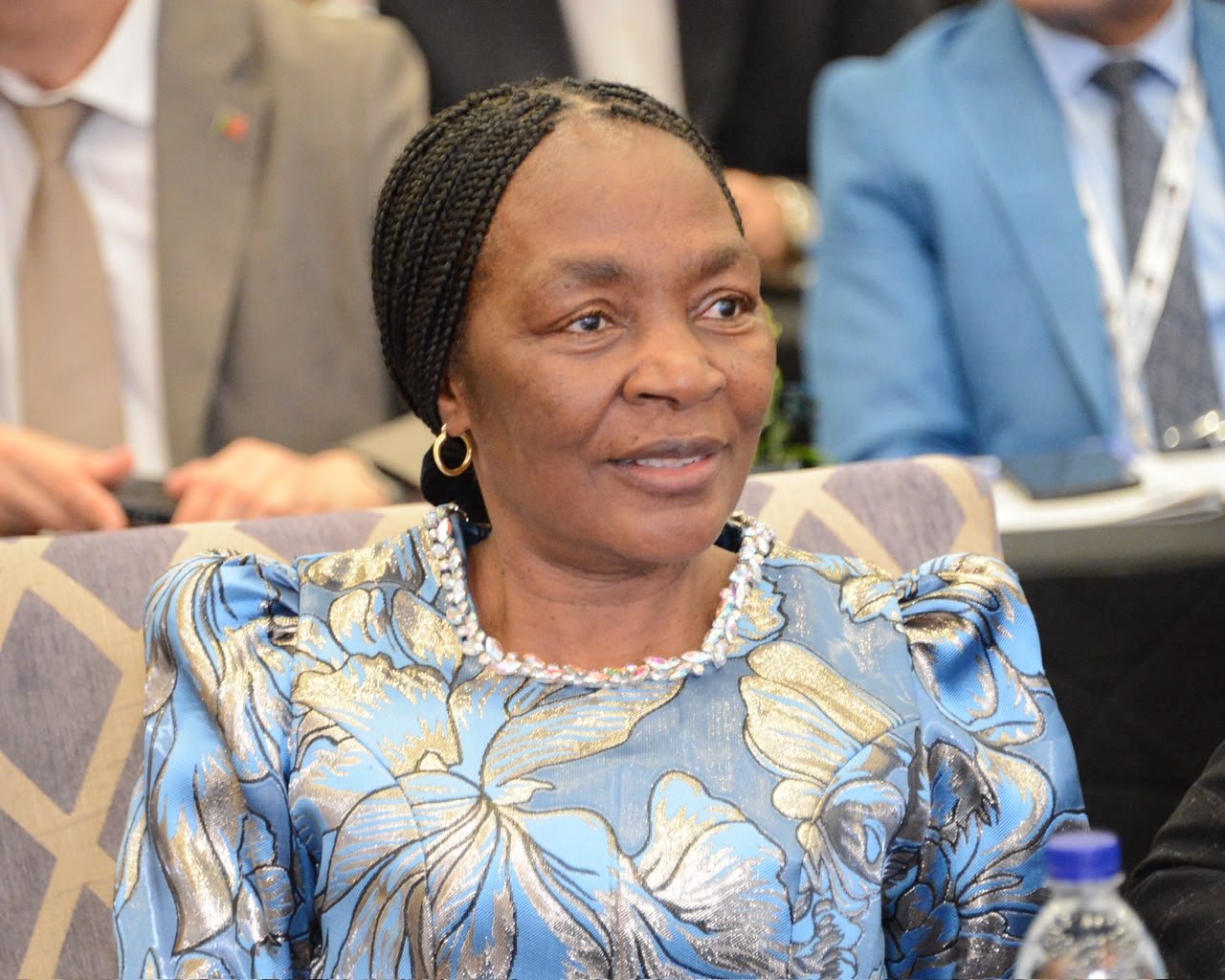
The Minister of Finance, Erica Shafudah is calling for stronger public-private partnerships to address Namibia’s estimated N$500 billion development financing gap under the Sixth National Development Plan (NDP6), amid limited government borrowing and expenditure capacity.
Addressing delegates at the second Namibia Public-Private Forum in Windhoek on Wednesday, Shafudah emphasised the importance of mobilising domestic and international private capital to advance the country’s development agenda.
She highlighted pension funds as a significant source of domestic capital that could be channelled towards infrastructure development and productive economic sectors.
“We can still put our heads together on how we can still deploy in the financing of the infrastructure in Namibia and to invest,” Shafudah said.
The minister explained that government’s fiscal capacity remains constrained, with interest payments exceeding expenditure on the development budget, underscoring the need for alternative financing mechanisms.
She said government intends to strengthen revenue collection by broadening the tax base, addressing illicit financial flows and tackling transfer pricing practices.
Shafudah identified railway infrastructure, agriculture, healthcare and sewerage systems as potential investment opportunities for the private sector.
“There are so many potential projects out there that are waiting for your investment in our country,” she said.
To stimulate investment and industrial development, government is also pursuing tax reforms, including a proposed reduction in the corporate tax rate to 28%, alongside a 20% tax rate for qualifying small and medium enterprises (SMEs) and proposed VAT relief measures for agricultural inputs and selected manufacturing equipment.
Shafudah further emphasised that foreign direct investment, particularly in emerging industries such as oil and gas, must translate into greater local ownership, employment creation and economic participation.
She said Namibia must move away from exporting unprocessed raw materials towards domestic value addition to maximise the economic benefits of its natural resources.
“Mobilizing domestic and international private capital through PPPs, as I have already indicated, remains our priority,” Shafudah said.
She added that strengthening policy certainty, improving business visa processing and reducing administrative delays remain government priorities in creating an enabling investment environment.
The minister maintained that mobilising private capital and expanding domestic industrial capacity would be critical to addressing unemployment, particularly among young people, while supporting sustainable economic growth.