Home Market & Sectors Mining & Minerals
Namibia Eyes Billions in Water Investment to Support Mining, Agriculture and Industry
The Namibian Government is looking to attract billions of dollars in investment into water infrastructure as it seeks to strengthen water security and support the expansion of key economic sectors, including mining, agriculture, manufacturing and energy.
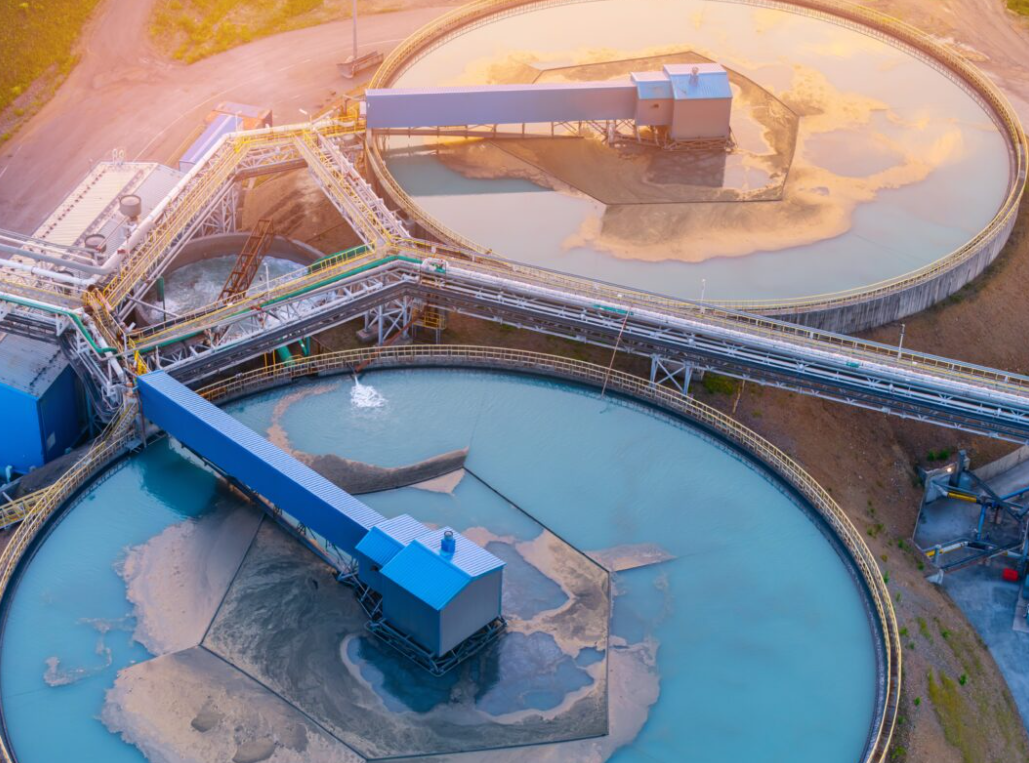
The government is looking to attract billions of dollars in investment into water infrastructure as it seeks to strengthen water security and support the expansion of key economic sectors, including mining, agriculture, manufacturing and energy.
The National Planning Commission (NPC) Director General, Kaire Mbuende said investment opportunities exist in desalination, bulk water infrastructure, water supply manufacturing and the development of additional water resources.
Speaking at the Government Institutions Pension Fund (GIPF) Pension and Investment Symposium 2026 this week, Mbuende highlighted water security as an important component of Namibia's economic development, identifying several projects that could attract private sector participation.
Among the opportunities is the development of the Ohangwena II Aquifer and the Ohangwena II Wellfield Water Supply Scheme, with an estimated investment requirement of approximately N$250 million.
Government has also identified a proposed Water Supply Infrastructure Materials Manufacturing Plant requiring an estimated N$80 million.
The manufacturing project aims to establish local capacity to produce materials used in water supply infrastructure, meeting demand in Namibia and the wider region.
According to Mbuende, the initiative could strengthen local industrial capacity, reduce import dependence and support the expansion of water infrastructure.
He said expressions of interest from potential investors would serve as the starting point for advancing the manufacturing initiative.
Additional opportunities include expanding desalination capacity, developing bulk water pipelines and reducing water losses through network upgrades and smart technologies.
The importance of these investments extends beyond improving access to water. Reliable water supplies are essential to the operation and expansion of several industries that contribute to Namibia's economy.
For the mining sector, dependable water infrastructure is necessary to support mineral processing and other industrial operations. As Namibia seeks to expand mining activities and increase local mineral beneficiation, water availability becomes an important consideration when investors assess the feasibility and long-term sustainability of projects.
Agriculture also stands to benefit from improved water infrastructure. Reliable supplies are essential for irrigation, commercial farming and expanding domestic food production. Without sufficient water, investment in agricultural land and production infrastructure may struggle to deliver its intended economic returns.
The energy sector presents another important connection. Developments involving green hydrogen, electricity generation and other energy-intensive industries require substantial supporting infrastructure, including reliable water supplies.
For manufacturing businesses, improved water availability could support industrial production, while local manufacturing of water infrastructure materials could create opportunities for domestic suppliers and reduce reliance on imported equipment and materials.
These connections make water infrastructure an important foundation for attracting investment across multiple sectors rather than an isolated public infrastructure priority.
Mbuende also highlighted the Erongo Desalination Plant, which currently produces up to 22.5 million cubic metres of water annually, with potential to expand production capacity to 45 million cubic metres.
He said NamWater is exploring additional desalination capacity and associated bulk water infrastructure along the coast to meet growing demand from communities, mining and industry.
These potential developments could require investments worth several billion Namibia dollars, creating opportunities for partnerships between Government, water institutions and private investors.
For coastal Namibia, where mining and industrial developments require dependable water supplies, additional desalination capacity could strengthen the infrastructure needed to support future economic activities.
Mbuende encouraged investors, financiers and strategic partners to engage with Government and NamWater as these opportunities develop.
The NPC Director General emphasized that infrastructure investment should focus on unlocking industries and supporting wider economic activity. Under the Sixth National Development Plan (NDP6), Government is placing greater emphasis on private sector participation, project preparation and investment partnerships to mobilize financing for national development priorities.
However, the identified investment opportunities still need to progress through the relevant preparation, financing and implementation processes.
For Namibia, the economic importance of water investment lies in its ability to support productive sectors, strengthen local manufacturing, improve agricultural capacity and provide the infrastructure required for future industrial expansion.
Ultimately, securing reliable water supplies is not only about meeting immediate demand. It is also about creating the conditions that allow businesses to invest, industries to expand and the economy to grow.