Home Market & Sectors Mining & Minerals
N$27 Billion Baynes Hydropower Project Pitched to Investors
The proposed Baynes Hydropower Project, valued at approximately N$27 billion, and the Kudu Gas-to-Power Project, with indicative investment requirements of between N$15 billion and N$25 billion, have been presented as major opportunities for institutional investors and private financiers.
The proposed Baynes Hydropower Project, valued at approximately N$27 billion, and the Kudu Gas-to-Power Project, with indicative investment requirements of between N$15 billion and N$25 billion, have been presented as major opportunities for institutional investors and private financiers.
The projects form part of the country's efforts to attract private capital into strategic energy infrastructure, strengthen electricity security and support long-term industrial development.
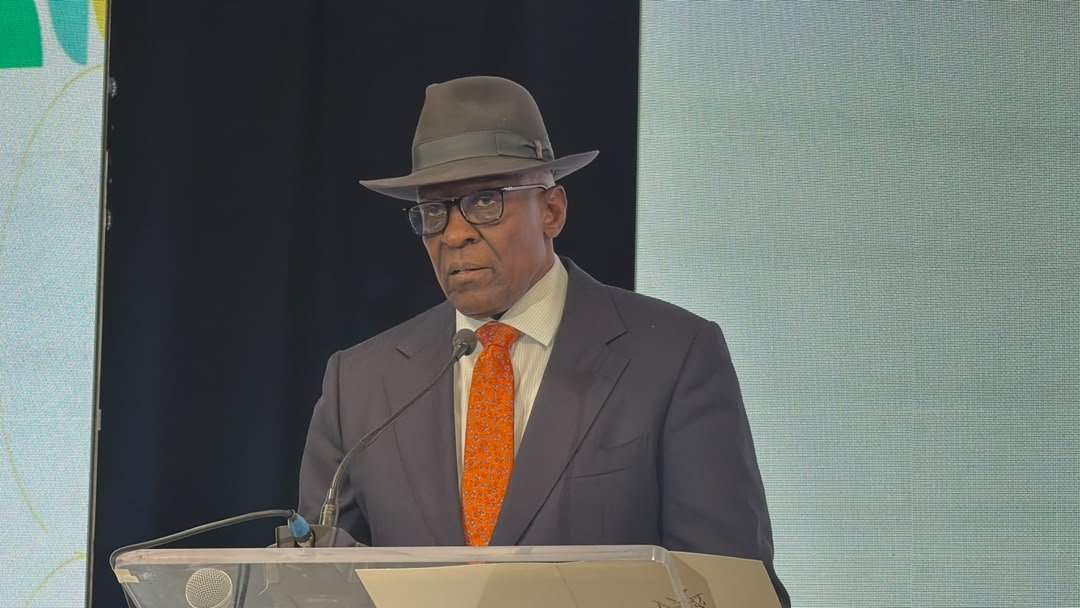
The projects were placed before institutional investors at the Government Institutions Pension Fund's Pension and Investment Symposium 2026 by Kaire Mbuende, Director General of the National Planning Commission, who framed them as central to Namibia's ambitions for energy security, industrialization and regional cooperation.
"The Baynes Hydropower Project, valued at approximately N$27 billion, offers significant opportunities for long-term investment and regional energy cooperation," Mbuende said.
"The Kudu Gas-to-Power Project remains one of Namibia's most significant energy investment opportunities, with indicative investment requirements estimated at between N$15 billion and N$25 billion."
The two projects form part of a broader energy investment proposition that Mbuende described as spanning "generation, transmission and energy storage."
The Kudu Gas-to-Power Project, he said, "has the potential to unlock investment in gas production, power generation and supporting infrastructure, while strengthening Namibia's energy security and supporting industrial growth."
Alongside these flagship projects, Mbuende identified opportunities in renewable energy generation and storage, noting that "Namibia's world-class solar and wind resources provide a strong foundation for utility-scale renewable energy projects and battery storage solutions."
He also pointed to critical transmission infrastructure required to support the growing energy system, including the Auas-Kokerboom II 400kV Transmission Line, the Obib-Oranjemund Transmission Line and broader grid reinforcement initiatives.
"Together, these projects will strengthen grid reliability, enable new generation capacity and support Namibia's ambition to become a regional energy hub," he said.
The energy investments were presented not in isolation but as foundational to Namibia's broader economic transformation agenda under Vision 2030 and the Sixth National Development Plan (NDP6).
"The purpose of these investments is not to simply build infrastructure but to unlock industries," Mbuende said. "Renewable energy unlocks a new generation of green industries."
He linked the energy sector to other strategic priorities, including green hydrogen development—particularly the Hyphen Hydrogen Energy project in the Tsau //Khaeb National Park, which includes plans for 3.75 gigawatts of renewable generation and 1.5 gigawatts of electrolyser capacity—and the mining sector's growing demand for reliable power.
The Baynes project, located on the Kunene River, has long been identified as a potential source of hydroelectric power for Namibia and the Southern African region. The Kudu Gas-to-Power Project, based on gas reserves offshore Namibia, has similarly been on the national agenda for years.
Recognizing the scale of capital required, the Director General acknowledged that "neither Government nor the private sector should carry all the risk."
He pointed to "a range of de-risking instruments, including blended finance, guarantees, political risk insurance and concessional funding from development finance institutions" that "can help crowd in private investment and improve project bankability."
The speech also emphasized that NDP6 recognizes the importance of "blended finance, project preparation facilities, guarantees, development finance instruments, and strategic partnerships that can crowd in private capital."
"The objective is not to replace private investment but to unlock private investment," he said.
Mbuende's address successfully positions Baynes and Kudu as major energy infrastructure opportunities within Namibia's broader development narrative. The explicit call for institutional investors and private financiers to participate in these projects signals a government intent on mobilizing domestic capital alongside international investment.