Home Market & Sectors Mining & Minerals
N$2.15 Billion Green Finance Push Puts Namibia's Industrialisation Ambitions To The Test
Namibia's green industrialization ambitions have received a significant financing boost, with the Green Climate Fund (GCF) approving USD 56 million (approximately N$932 million) in catalytic financing for SDG Namibia One, bringing identified funding commitments and approvals to approximately N$2.15 billion.
Namibia’s green industrialisation ambitions have received a major financing boost after the Green Climate Fund (GCF) approved US$56 million (approximately N$932 million) in catalytic financing for SDG Namibia One, taking identified funding commitments and approvals for the fund to approximately N$2.15 billion.
The financing is expected to strengthen efforts to attract investment into green hydrogen, renewable energy and low-carbon industrial production, as Namibia seeks to position itself as a regional player in the emerging green economy.
However, the economic impact of the investment will ultimately depend on how effectively the funding translates into operational industries, sustainable employment and opportunities for local businesses.
SDG Namibia One, established in November 2023, is Namibia’s dedicated industrial decarbonisation fund, designed to mobilise public and private capital towards green hydrogen infrastructure and associated industries.
According to a media statement issued by the fund, the latest GCF approval comprises US$15 million for its Development Tranche and US$41 million for its Construction Equity Tranche.
This builds on existing commitments of €40 million from Invest International and €25 million from the European Union.
Together, the identified commitments and approvals amount to approximately US$129 million (N$2.15 billion). However, the amount should not be interpreted as funding already disbursed or fully invested in projects.
The fund is targeting approximately US$350 million in total commitments at final close, meaning additional capital will still need to be mobilised to reach its fundraising target.
Four projects have received support from SDG Namibia One, namely Hyphen in the ǁKaras Region, HyIron’s Oshivela project, Zhero Molecules in Walvis Bay and the Dâures Green Fertilizer Project.
Their projected employment potential highlights the scale of economic activity anticipated from Namibia’s green industrialisation drive.
Hyphen expects to create up to 15,000 construction jobs and 3,000 permanent positions, with a target of 90% Namibian employment.
HyIron’s planned expansion is projected to generate approximately 6,000 construction jobs and 900 permanent positions, while Zhero Molecules anticipates 6,000 construction jobs and 500 permanent jobs.
Meanwhile, the Dâures project aims to produce up to 20,000 tonnes of green ammonia and 80,000 tonnes of ammonium sulphate fertiliser annually, potentially supporting domestic agricultural production and regional markets.
Beyond direct employment, the projects could create demand for local engineering services, construction companies, transport operators, equipment suppliers and other businesses linked to the emerging industrial value chain.
However, the figures represent projected employment rather than jobs already created. The extent to which Namibian workers and businesses secure these opportunities will be an important measure of the projects’ broader economic contribution.
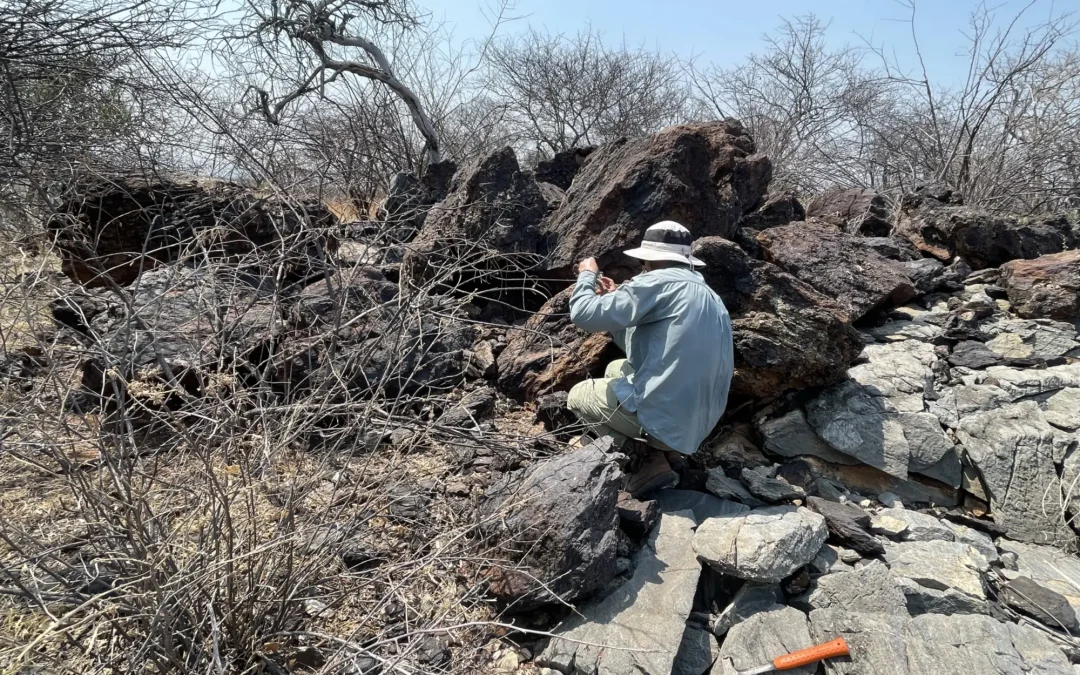
The industrial ambitions are also reflected in HyIron’s Oshivela project, which demonstrates Namibia’s potential to move further into domestic mineral processing and value addition.
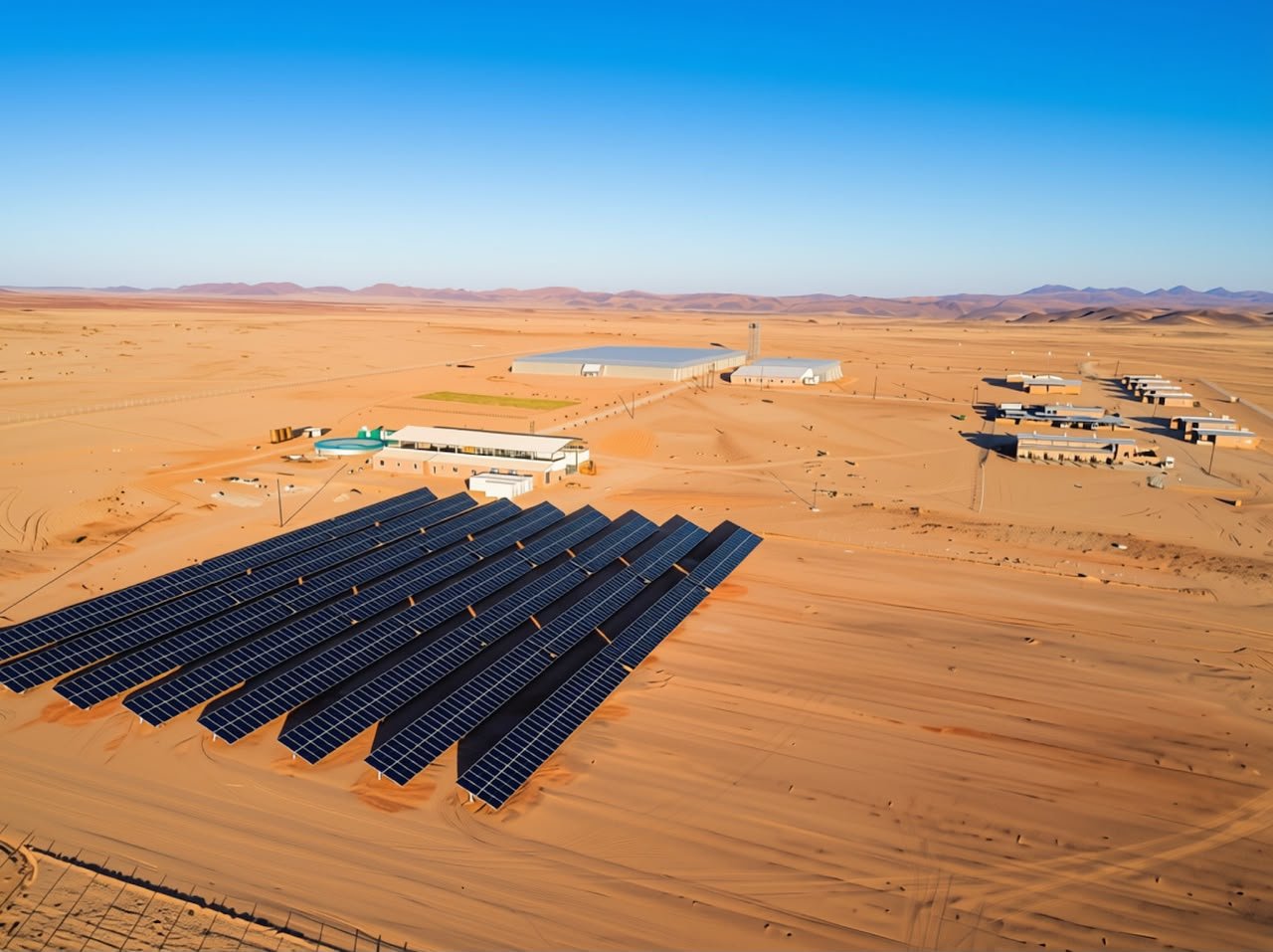
The project’s first phase, commissioned in April 2025, has a production capacity of approximately 15,000 tonnes of green iron annually, marking a step towards establishing low-carbon industrial production within the country.
Such developments could help diversify Namibia’s economy by expanding its industrial base, reducing reliance on raw material exports and creating opportunities to develop supporting industries.
However, realising these ambitions will require reliable energy and water supplies, supporting infrastructure and a skilled local workforce.
SDG Namibia One uses a blended financing model that combines public and private capital, with development finance intended to reduce early-stage investment risks and attract commercial investors.
The Environmental Investment Fund of Namibia holds a 49% stake in Namibia Energy Transition Fund Managers, while Climate Fund Managers and Invest International collectively hold the remaining 51%.
The structure brings international financing expertise into Namibia’s energy transition ambitions, while also raising questions about transparency, accountability and the extent to which the country’s public investment will generate measurable domestic returns.
As the projects progress from development towards construction and operations, the focus will increasingly shift from the amount of capital mobilised to how that capital is deployed and the economic benefits it delivers.
For Namibia, this includes ensuring that local companies can compete for contracts, workers acquire the technical skills required by emerging industries, and a meaningful share of the value created remains within the domestic economy.
The GCF approval is therefore an important financing milestone for Namibia’s green industrialisation agenda. But the longer-term test will be whether the billions mobilised translate into productive industries, lasting employment, stronger local businesses and broader economic opportunities.