TRADE AND INVESTMENT
Namibia Targets Youth-Led Businesses to Expand Trade Beyond Borders
President Netumbo Nandi-Ndaitwah says young entrepreneurs must take advantage of regional and international trade opportunities, as Namibia seeks to grow small businesses, increase exports and strengthen its manufacturing sector.
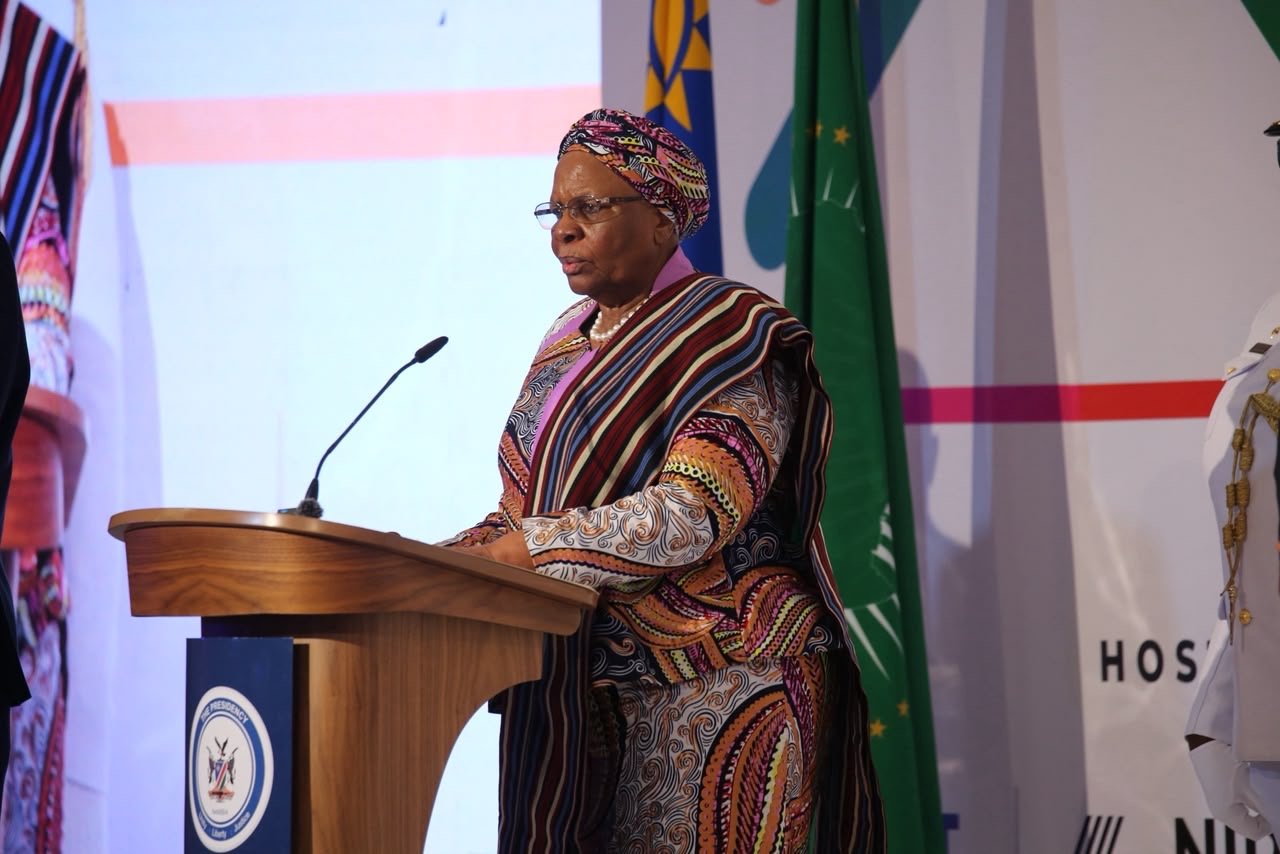
Namibia is looking to strengthen youth participation in local, regional and international trade, with President Netumbo Nandi-Ndaitwah urging young entrepreneurs to move beyond the domestic market and take advantage of opportunities offered by the African Continental Free Trade Area (AfCFTA).
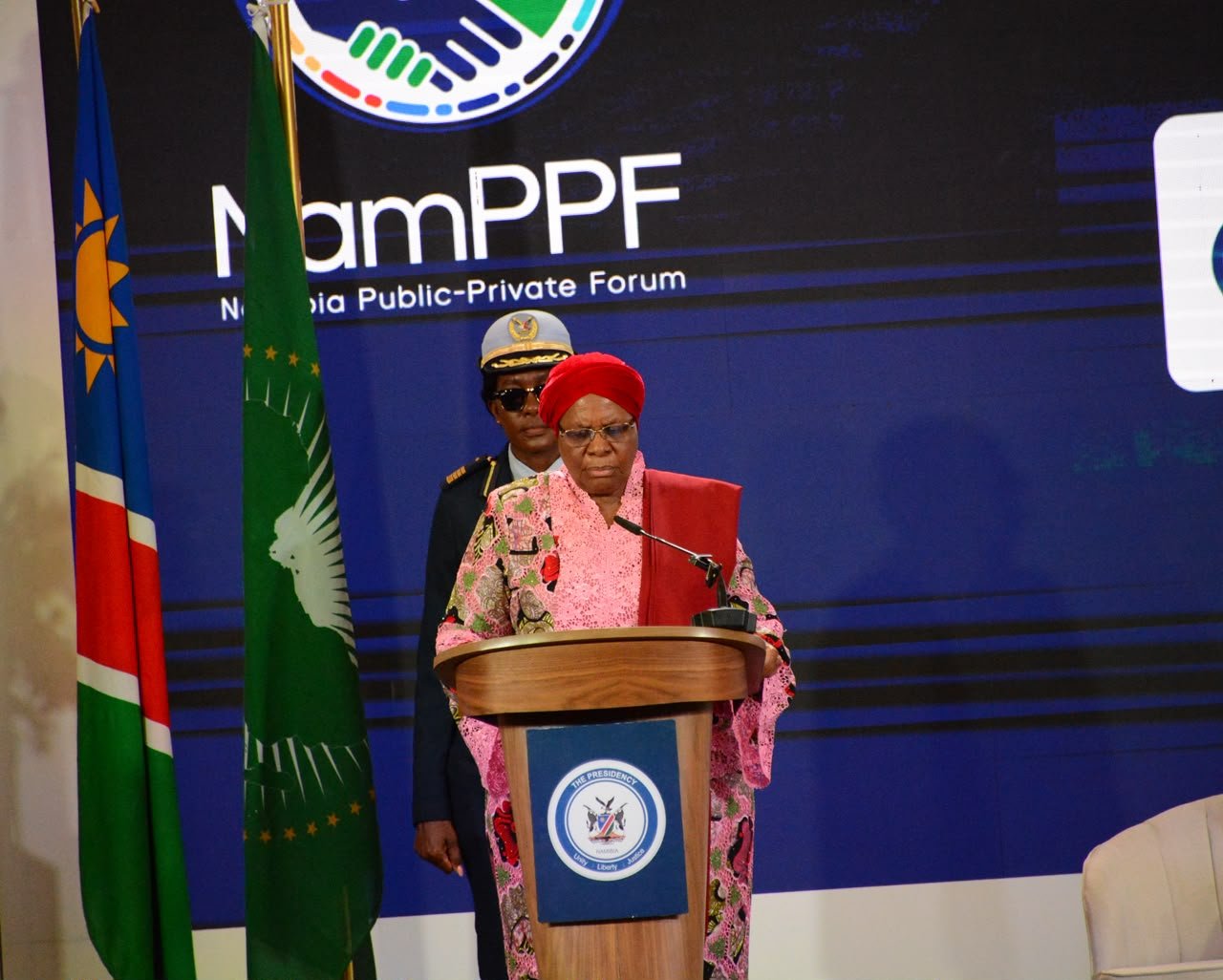
Speaking at the inaugural National Youth Trade Forum Namibia in Windhoek on Wednesday, Nandi-Ndaitwah said young people must become active participants in production, enterprise development and innovation to help drive economic growth.
“We must accept that Namibia cannot achieve its full economic potential without young people's meaningful participation in production, enterprise development, and innovation,” she said.
The forum, held under the theme “Empowering the Youth to Access Local, Continental, and International Markets,” brought together young entrepreneurs and national, regional and international stakeholders to explore ways of improving youth access to trade opportunities, information, finance and business networks.
Nandi-Ndaitwah said Namibia's young population presents an important opportunity for economic development, noting that 71.1% of the country's population is under the age of 35, according to the 2023 Population and Housing Census.
She said government must invest in education, training and skills development to ensure young people can contribute meaningfully to the economy.
The President highlighted the importance of small and medium enterprises (SMEs) in expanding Namibia's productive capacity and creating employment.
According to figures she presented, Namibia has approximately 40,000 SMEs, which collectively contribute about 12% to gross domestic product (GDP) and provide livelihoods for more than 20,000 Namibians.
She said the country's Sixth National Development Plan (NDP6) aims to strengthen the SME sector and increase manufacturing's contribution to the economy from 10.6% to 18% by 2030.
“Imagine how much they can contribute if we help them to grow their industries. They would definitely make a great contribution to our employment,” she said.
Nandi-Ndaitwah also pointed to government initiatives aimed at supporting young entrepreneurs, including the National Youth Fund, which she said was established with N$257 million and later supplemented by N$165 million from the Namibia National Reinsurance Corporation.
She said approximately 700 jobs had been created since the fund became operational, with young entrepreneurs investing in businesses across different sectors, including legal services, healthcare and fuel retail.
The President also highlighted the Youth Credit Scheme, which she said had trained more than 1,000 young people and business managers.
She acknowledged that existing youth empowerment programmes needed further assessment to determine their impact and identify areas requiring improvement.
Nandi-Ndaitwah said Namibia's domestic market of approximately three million people provides a starting point for young businesses, but entrepreneurs should prepare to access the wider African market of about 1.3 billion people.
She encouraged young business owners to familiarise themselves with AfCFTA, Southern African Development Community (SADC) trade protocols and other trade agreements that could help them access international markets.
“Think beyond Namibia, and you will be able to flourish,” she said.
She added that young entrepreneurs should focus on adding value to the country's natural resources through processing, packaging, branding and marketing rather than relying on exporting raw materials.
The President also identified agriculture, mining, energy, oil and gas, tourism, water, fisheries, transport and logistics as sectors offering opportunities for young businesses to participate in economic development.
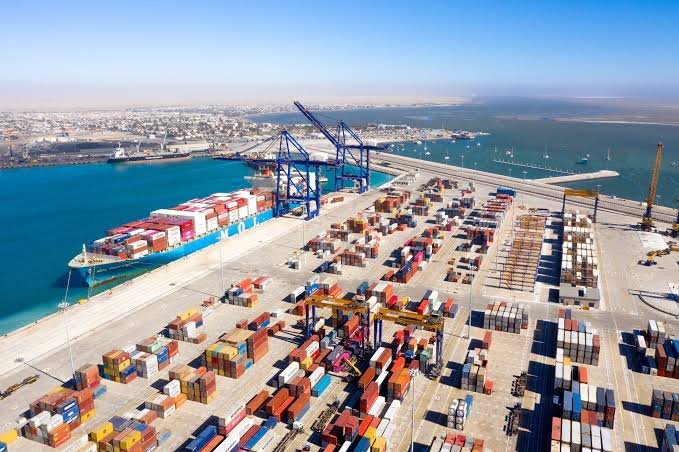
She pointed to the recently launched Dangote tank farm and regional pipeline investment, saying it could create opportunities for young entrepreneurs in construction, engineering, logistics, equipment maintenance and the supply of goods and services.
Nandi-Ndaitwah further called for stronger cooperation with international trade institutions, particularly the World Trade Organization (WTO), saying predictable and rules-based international trade was important for smaller economies such as Namibia.
“Small economies like Namibia depend on a predictable rule-based system. When the rules are respected, a young exporter in Namibia can compete on a fair term with a company 10 times its size,” she said.
She encouraged young entrepreneurs attending the forum to use the engagement to understand market requirements, develop partnerships and identify opportunities to expand their businesses beyond Namibia.
The President officially inaugurated the National Youth Trade Forum, expressing confidence that the platform would strengthen youth entrepreneurship and improve Namibia's participation in regional and international trade.