Home Market & Sectors Tech & Innovation
ENTREPRENEURSHIP
Regulatory Barriers Could Keep Young Entrepreneurs Out Of Business
High registration costs, complex licensing requirements and fragmented regulatory processes are making it difficult for young Namibian entrepreneurs to turn innovative ideas into viable businesses, raising concerns about barriers to startup growth and economic participation.

High business registration costs, complex licensing requirements and fragmented regulatory processes could be discouraging young Namibians from turning innovative ideas into viable businesses, Technology Entrepreneur, Job Angula has warned.
Angula, founder of Namcab, said Namibia's regulatory environment places significant financial and administrative demands on startups, often before they secure their first customer or generate revenue.
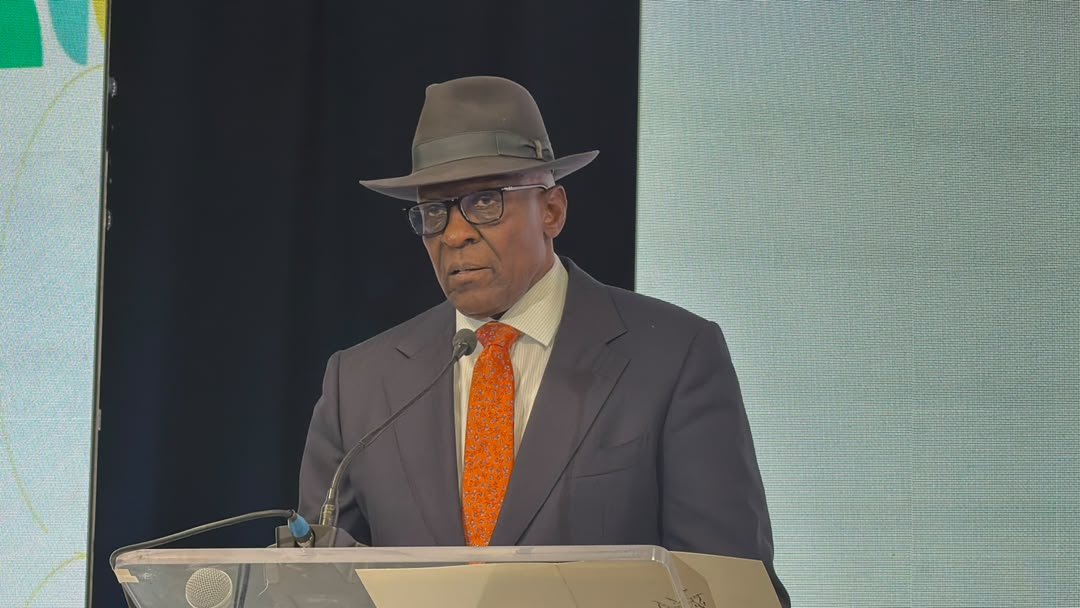
Presenting at the Regulatory Sandbox: Pre-Launch in Windhoek on Wednesday, Angula said aspiring entrepreneurs face several interconnected requirements involving business registration, tax compliance, banking and sector-specific licensing, making it difficult for first-time founders to enter the formal economy.
Drawing on his experience developing an e-hailing application, he said he spent approximately eight months developing the platform, but encountered regulatory challenges when investigating the requirements for operating the business.
Angula explained that his proposed business model involved passengers making payments to the platform, which would then hold the funds before paying drivers. This arrangement raised questions about whether the business required a payment service provider licence.
He said the requirements included N$1.5 million in capital, a board, a compliance officer, a risk management framework, three-year financial projections and a licensing fee of N$20,000, alongside an annual renewal fee of N$10,000.
Despite the platform's infrastructure costing him approximately 100 euros (about N$2,000) monthly to operate, he said the regulatory requirements made it difficult to proceed.
"How do I risk 1.5 million on a startup that costs me a few hundred euros a month to run?" he asked.
Angula said his experience reflects broader challenges facing young entrepreneurs who may have innovative ideas but lack the financial resources and professional guidance needed to navigate the regulatory system.
He illustrated this through the example of a 24-year-old computer science graduate who wants to establish a financial technology business but has no previous employment record, business bank account or tax registration.
According to Angula, registering a close corporation can cost between N$1,000 and N$4,000 through agents, while registering a private company can cost between N$5,000 and N$14,000.
He added that accounting and compliance services could cost between N$5,000 and N$8,000 annually, excluding other expenses such as business banking fees and licensing requirements.
"The costs just keep compounding," he said, arguing that entrepreneurs are expected to meet several financial and administrative requirements before they can begin trading.
He further pointed to the different requirements imposed by the Bank of Namibia, the Namibia Financial Institutions Supervisory Authority (NAMFISA) and the Communications Regulatory Authority of Namibia (CRAN).
According to Angula, the lack of coordination between regulators creates additional difficulties for startups, particularly those developing products that operate across telecommunications, banking and financial services.
He said an entrepreneur seeking to introduce a product that falls under multiple regulators could be forced to navigate different application processes and compliance requirements.
To address these challenges, Angula proposed an interconnected regulatory sandbox that would allow entrepreneurs to submit one application recognised by the relevant regulators.
Under his proposal, first-time founders would receive a six-month period to test their business ideas under controlled conditions, with transaction volumes, revenue and other activities subject to agreed limits.
"Six months to demonstrate viability, not six months to assemble paperwork," he said.
He argued that regulatory requirements should be proportionate to the risks associated with a business, rather than imposing the same compliance burden on startups as established financial institutions.
Angula also called for a centralised digital platform or chatbot that explains registration, licensing and compliance requirements in simple language, allowing entrepreneurs to understand the steps involved without necessarily having to pay expensive legal or accounting professionals.
He cited youth unemployment and the number of young people outside employment, education and training as reasons Namibia should make it easier for young people to participate in the formal economy.
He proposed that first-time founders should be allowed to test their ideas without application fees, with clear approval timelines and transparent criteria for progressing to full licensing.
"Don't ask young Namibians to become a company before they can become a business," he said.