INTERNATIONAL TRADE
EU Trade Supports 40,000 Namibian Jobs As Exports Reach N$17.6 Billion
Namibia's exports to the European Union increased by more than 17% in 2025, with the bloc accounting for 19% of the country's total exports.
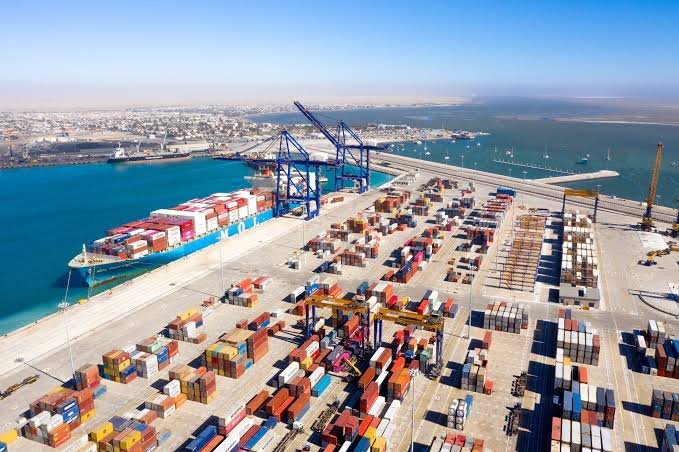
Namibia has exported goods worth N$17.6 billion to the European Union (EU) in 2025, supporting an estimated 40,000 direct jobs. This highlights the importance of the European market to the country's export earnings and employment.
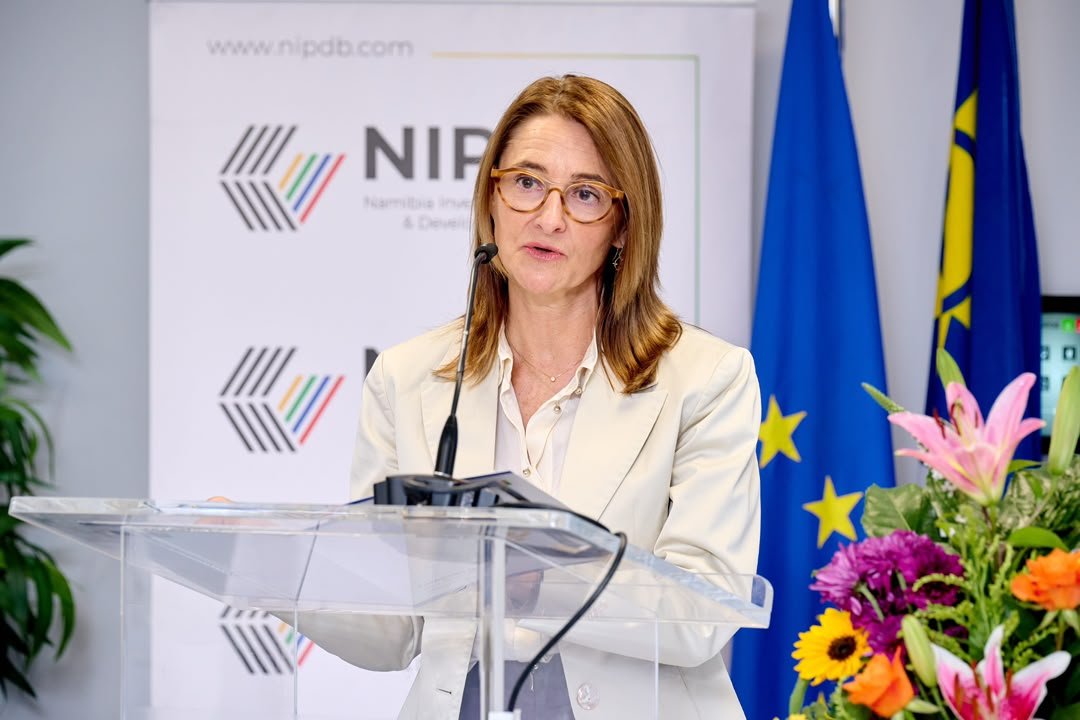
Speaking at the EU-Namibia Trade Relations Stakeholder Workshop in Windhoek on Monday, European Union Delegation to Namibia Ambassador, Ana-Beatriz Martins, said Namibia's exports to the bloc increased from approximately N$15 billion in 2024 to N$17.6 billion in 2025.
Martins said the employment contribution of the trade relationship extended across fisheries, agriculture, food processing and other productive sectors, supporting workers, families and businesses.
"Forty thousand jobs, Behind this figure are Namibian workers, families, businesses and communities whose livelihoods depend, directly or indirectly, on access to the European market," she said.
She added, "Europe is not only buying Namibian products. Europe is contributing to Namibian employment, economic resilience and prosperity."
Martins said the EU's contribution was not always fully recognised because European countries often appear separately in Namibia's trade statistics, despite operating under a common trade policy and customs framework.
"When we look at Europe as one market, the picture becomes much clearer, the European Union is a major destination for Namibian exports, a source of economic opportunities and a vital partner for jobs and growth," she said.
Meanwhile, research conducted by Economist, Robin Sherbourne found that the bloc accounted for approximately 19% of Namibia's total exports last year, making it the country's third-largest export market.
Martins said the agreement offered preferential market access, legal certainty and predictability for trade and investment, stating that access alone was not enough to ensure that more local businesses benefited from international trade.
"The real measure of success is not simply whether the European market is open. It is whether more Namibian businesses can enter that market, compete successfully and capture greater value from trade," she said.
The EU is complementing the agreement with support through its new EPA Facility, which is intended to help Namibia address trade-related constraints, strengthen production and export capacity, meet international standards and enable more small and medium-sized enterprises to access the European market.
In addition, to mining, Martins said Namibia's mineral resources presented opportunities to develop industries beyond the export of raw materials.
"But the future of this sector cannot be limited to the export of raw materials. The challenge, and the opportunity, is to move up the value chain: from extraction to processing, from raw materials to industrial products, and from resource endowments to sustainable economic transformation," she said.
The EU-Namibia Strategic Partnership on Sustainable Raw Materials Value Chains and Renewable Hydrogen, was launched in 2022, intended to support local industrial development, attract investment, develop skills and create higher-value products.
Martins said the partnership supported Namibia's ambition to industrialise and retain more economic value from its natural resources.
"This is the vision underpinning our partnership, a Namibia that is not only a supplier of resources to the global economy, but increasingly a producer, processor and exporter of higher-value products," she said.
She said the next stage of cooperation should connect trade, investment and industrialisation so that preferential access to the European market translates into stronger Namibian industries, local value addition and employment opportunities.
The workshop marked the tenth anniversary of the EU-Southern African Development Community (SADC) Economic Partnership Agreement (EPA), providing Namibian exporters with duty-free and quota-free access to the European market.
The workshop brought together government representatives, business stakeholders, members of Parliament and representatives of EU member states to discuss trade opportunities and constraints, with breakout sessions focusing on agriculture and mining.